

All Authors

September 21, 2026 • 7 Minute Read
Sept 21-25
5-Day Bible Reading Plan and Devotional Guide – September 21 - 25 “The House God Builds: A 5-Day Devotional Through Ephesians 2:11-22” Day 1: Remember Where You Came From Reading: Ephesians 2:11-12 Devotional: Paul's instruction to "remember" is not an exercise in shame but in gratitude. Before Christ, the condition of every human soul was defined by separation, exclusion, and hopelessness. We were outside the covenant, outside the promise, outside the house entirely. Remembering this is not meant to discourage you but to anchor you in the reality of what grace has accomplished. When you forget where you came from, you begin to take for granted what was given to you at great cost. Let the memory of your former condition fuel a deeper worship and a wider welcome toward others who are still outside. Reflection Questions: What does your life look like before Christ when you examine it honestly? How does remembering your former condition change the way you treat those who do not yet believe? In what ways has gratitude for your salvation grown or faded over time? Practical Application: Write down three specific ways your life has changed since coming to faith in Christ. Keep this list somewhere visible this week as a daily reminder of what grace has done. Day 2: But Now — The Power of the Cross Reading: Ephesians 2:13-14; Romans 5:6-11 Paul describes in Romans 5 how Christ died for the ungodly and how through him we have now received reconciliation. Ephesians 2:13 declares that those who were once far off have been brought near through the blood of Christ. Devotional: Two of the most powerful words in all of Scripture are "but now." They mark the turning point between what was and what is. The cross did not simply improve our standing before God. It demolished the distance entirely. Christ did not negotiate peace from a distance. He became peace. He absorbed the hostility of sin, of division, of separation into his own body so that what was broken could be made whole. The same blood that reconciles you to God reconciles you to your brother and sister. You cannot receive one reconciliation and refuse the other. The cross is not partial in its work. Reflection Questions: Where in your life do you still live as though you are far off, even though Christ has brought you near? How does understanding that Christ is your peace, not merely the giver of peace, change how you pursue it? Are there relationships in your life where you have accepted reconciliation with God but resisted reconciliation with another person? Practical Application: Identify one relationship in your life that carries unresolved tension. Pray specifically over that relationship today, asking God to show you what step toward peace he is calling you to take. Day 3: One New Humanity Reading: Ephesians 2:15-16; Galatians 3:26-29 Galatians 3 describes how in Christ there is no distinction of background, status, or identity that supersedes the identity found in him. Ephesians 2:15 declares that Christ's purpose was to create in himself one new humanity out of two divided groups. Devotional: The church was never meant to be a collection of individuals who happen to share the same building on Sunday mornings. Christ's purpose, as Paul states it plainly, was to create one new humanity. Not two groups learning to tolerate each other. Not separate communities agreeing to coexist. One. The walls that divide us by race, class, age, history, preference, and personality were not merely inconvenient obstacles. They were expressions of a broken world. Christ did not patch those walls. He destroyed them. The church that is worthy of Christ is one that takes this seriously, not just as theology but as lived reality among its people. Reflection Questions: What categories do you use, even unconsciously, to divide people into insiders and outsiders? How does the identity of being "in Christ" challenge the other identities you hold most tightly? What would it look like practically for your church community to embody one new humanity this week? Practical Application: Intentionally spend time this week with someone in your church community who is different from you in background, age, or life experience. Approach the conversation with the goal of learning, not just socializing. Day 4: Fellow Citizens, Not Strangers Reading: Ephesians 2:17-19; 1 Peter 2:9-10 First Peter 2 describes believers as a chosen people, a royal priesthood, a holy nation — people who were once not a people but have now received mercy. Ephesians 2:19 declares that believers are no longer foreigners or strangers but fellow citizens and members of God's household. Devotional: There is a profound difference between being a visitor and being a member of a household. A visitor is welcomed temporarily. A member of the household belongs permanently. Paul's language here is deliberate. You are not a guest in God's kingdom. You are not on probation. You are not sitting in the back row waiting to see if you qualify. You have been given full citizenship. You have a seat at the table. The tragedy of the modern church is that many believers live as perpetual visitors, never committing deeply enough to experience the full weight of belonging. God's design is not a church of visitors. It is a household of family. Reflection Questions: Do you experience your church community as a household or more as a place you visit? What contributes to that? What does it mean to you personally that God calls you a member of his household rather than merely a recipient of his benefits? How might your engagement with your church community change if you fully embraced the identity of fellow citizen rather than outsider? Practical Application: Take one concrete step this week toward deeper belonging in your church community. This could mean joining a small group, introducing yourself to someone you have never spoken to, or volunteering in an area of Sunday service. Day 5: A Dwelling Place for God Reading: Ephesians 2:20-22; 1 Corinthians 3:16-17 First Corinthians 3 declares that believers together are God's temple and that his Spirit dwells among them. Ephesians 2:20-22 describes the church as a building joined together with Christ as the cornerstone, rising into a holy temple where God lives by his Spirit. Devotional: The final vision Paul gives is breathtaking. God is not simply building a religion or an institution. He is building a dwelling place. He is building a home for himself among his people. Christ is the cornerstone, the fixed reference point from which everything else is measured and aligned. When the cornerstone is honored, the whole structure holds together. When it is neglected, everything drifts. The church is not a building made of stone or steel. It is a living structure made of people who are being built together. This is not something you can experience alone. It requires you. It requires the person sitting beside you. It requires the one you have been tempted to write off. God is building something, and he is building it with all of you together. Reflection Questions: What does it mean to you that God's desire is to dwell among his people, not just within individuals? In what ways might you be resisting the process of being "built together" with others? How does keeping Christ as the cornerstone of your life practically affect the decisions you make and the relationships you invest in? Practical Application: Close this five-day reading plan by writing a personal prayer of commitment. Express to God your willingness to be part of what he is building, to tear down whatever walls remain in your heart, and to embrace the household of faith as your own family. "In him the whole building is joined together and rises to become a holy temple in the Lord." — Ephesians 2:21Share Your Prayer Request
September 21, 2026 • 2 Minute Read
Weekly Roundup
Welcome to the weekly roundup 👋 This is your one-stop spot for everything happening in our church. From kids to adults, small groups to special events, here's how you can get connected over the next seven days. Monday, September 21st No Activities Tuesday, September 22nd No Activities Wednesday, September 23rd Young Adult Bible Study - 6:00 PM in The Loft at Freedom Church. Thursday, September 24th Helping Hands Food Pantry - 8:30 - 11:30 AM in the Pantry at Freedom Church. Men’s Bible Study - 6:00 PM in The Loft at Freedom Church. Friday, September 25th Women’s Bible Study - 10:00 AM in The Loft at Freedom Church. Saturday, September 26th No Activities Sunday, September 27th Adult Small Group - Meeting at 8:30 AM before service in The Loft at Freedom Church. 10:30 AM Worship Gathering - Join us for Sunday service in person or online. Communion Sunday - We’ll remember Christ’s sacrifice and celebrate His grace together during our 10:30 AM Worship Gathering. Kids Church - Age-specific programming during our service for infants --> 5th grade. Upcoming Events New Member Lunch - Sunday, October 4th at 12:30 PM NEW First Wednesday - Wednesday, October 7th at 6:30 PM Church Yard-Sale - Saturday, October 10th at 7:00 AMNew here? We'd love to connect. Last Week's Message "Ephesians: The House That God Builds--Week Three"
| Pastor Tim Dye | Ephesians 2:11-22 The Gospel doesn't just bring us near to God. It changes how we belong to one another. In Ephesians 2:11–22, Pastor Tim looks at the walls that divide us, the cross that tore them down, and the family God is building with Jesus as the cornerstone. Watch the sermon here 👇Watch OnlineSubscribe To Our YouTube Channel Giving Your generosity makes our work in this city possible. We’re so grateful for you.Give Now Here Stay Connected 📩 Subscribe to this Collection to get these updates delivered directly to your inbox. 📸 Follow us on Instagram, & .Facebook, YouTube 💬 Pastoral care or questions? Connect with us here. Services: Sundays at 10:30 AM
2225 Airline Dr, Bossier City, 71111 Next Week: Communion Sunday
See you soon ☀️

September 14, 2026 • 2 Minute Read
Weekly Roundup
Welcome to the weekly roundup 👋 This is your one-stop spot for everything happening in our church. From kids to adults, small groups to special events, here's how you can get connected over the next seven days. Monday, September 14th No Activities Tuesday, September 15th No Activities Wednesday, September 16th Young Adult Bible Study - 6:00 PM in The Loft at Freedom Church. Thursday, September 17th Helping Hands Food Pantry - 8:30 - 11:30 AM in the Pantry at Freedom Church. Friday, September 18th Precept Bible Study - 10:00 AM in The Loft at Freedom Church. Saturday, September 19th No Activities Sunday, September 20th Adult Small Group - Meeting at 8:30 AM before service in The Loft at Freedom Church 10:30 AM Worship Gathering - Join us for Sunday service in person or online. Kids Church - Age-specific programming during our service for infants --> 5th grade. Upcoming Events New Member Lunch - Sunday, October 4th at 12:30 PM NEW First Wednesday - Wednesday, October 7th at 6:30 PM Church Yard-Sale - Saturday, October 10th at 7:00 AMNew here? We'd love to connect. This Week's Message "Ephesians: The House That God Builds--Week Two"
| Pastor Tim Dye | Ephesians 2:1-10 You don't have to build a better version of yourself to become worthy of God. In Ephesians 2, we discover the incredible difference two words can make—“But God.” See what happens when grace takes us from death to life and we surrender our lives to the Builder. Watch last week’s sermon 👇Watch OnlineSubscribe To Our YouTube Channel Giving Your generosity makes our work in this city possible. We’re so grateful for you.Give Now Here Stay Connected 📩 Subscribe to this Collection to get these updates delivered directly to your inbox. 📸 Follow us on Instagram, & .Facebook, YouTube 💬 Pastoral care or questions? Connect with us here. Services: Sundays at 10:30 AM
2225 Airline Dr, Bossier City, 71111 Next Week: Sunday Service
See you soon ☀️

September 14, 2026 • 6 Minute Read
Sept 14-18
5-Day Bible Reading Plan and Devotional Guide – September 14 - 18 “The House God Builds: A 5-Day Devotional Through Ephesians 2:1-10” Day 1: You Were Dead, But God Remembered You Reading: Ephesians 2:1-3 -- Paul describes humanity's condition before Christ: spiritually dead, shaped by the patterns of this world, and driven by the desires of the flesh, with no ability to rescue itself. Devotional: Before grace found you, you were not merely struggling or misguided. You were spiritually dead. There was no flicker of life in you that could earn God's attention. Yet God saw you in that condition and did not look away in disgust. He looked at you with profound compassion. This is where honest faith begins -- not in pretending you were never that far gone, but in acknowledging exactly how far gone you were. The depth of your death only magnifies the miracle of your rescue. Today, sit with the weight of where you were. Let it produce not shame, but awe. Reflection Question: When did you last allow the reality of your spiritual condition before Christ to genuinely move you toward gratitude? Practical Application: Write down three specific ways your life reflected spiritual deadness before Christ, or before a season of renewal. Bring those to God in prayer and thank Him for what He interrupted. Day 2: But God -- The Two Words That Change Everything Reading: Ephesians 2:4-5 -- Paul pivots sharply from humanity's hopeless condition to God's decisive action, rooted in His great love and abundant mercy, making alive those who were dead. Devotional: Two words carry the full weight of the gospel: but God. You were dead -- but God. You were following the world -- but God. You had no ability to save yourself -- but God. These words are not a footnote in your story. They are the hinge on which everything turns. God did not wait for you to clean yourself up before He reached toward you. He reached into your deadness and breathed life into you, not because you earned it, but because He is rich in mercy. That word rich matters. His mercy is not rationed. It is abundant, overflowing, and entirely undeserved. Reflection Question: Where in your current circumstances do you need to insert the phrase "but God" and actually believe it? Practical Application: Throughout this day, when a discouraging or anxious thought arises, pause and speak aloud: "But God is rich in mercy." Practice this as a deliberate act of agreement with Scripture rather than a dismissal of your struggle. Day 3: Raised, Lifted, and Seated Reading: Ephesians 2:6 -- Paul describes three movements God has made on behalf of believers: making them alive with Christ, raising them up, and seating them with Christ in the heavenly places. Devotional: God did not simply rescue you from death and leave you on the floor. He made you alive, raised you to a new standing, and seated you in a position of security and victory alongside Christ. In the ancient world, being seated beside a king meant sharing in his authority, his rest, and his protection. That is where God has placed you -- not eventually, not conditionally, but now. The problem is not that God has failed to seat you. The problem is that many believers spend their days living as though they are still lying on the floor. Your identity is not your past. It is your position. Reflection Question: In what area of your life are you living beneath the identity God has given you, thinking and behaving as though you are still trapped by what Christ has already delivered you from? Practical Application: Begin each morning this week by stating three truths aloud: "I have been made alive. I have been raised up. I am seated with Christ." Do not wait until you feel it. Speak it in agreement with the Word and allow your feelings to follow. Day 4: Grace That Cannot Be Earned, Only Received Reading: Ephesians 2:8-9 -- Paul declares that salvation comes entirely through grace, received through faith, and is not the product of human effort or achievement, leaving no room for boasting. Devotional: The human instinct is to earn what we receive. When someone gives us a gift, we reach for our wallet. When God saves us, we reach for our performance. But grace, by definition, cannot be purchased, improved upon, or deserved. The moment you begin trying to prove you were worth saving, you have confused the gift with a transaction. God's delight is in giving. His greatest gift is His Son. To spend your Christian life trying to pay that back is to misunderstand the nature of what was offered. You cannot work your way into what can only be received. Open your hands today and simply receive. Reflection Question: In what ways have you been quietly trying to earn God's approval or prove your worth to Him rather than resting in what He has already declared over you? Practical Application: Identify one area where you have been striving to perform for God rather than trusting His grace. Surrender that specific striving to Him in prayer today and ask Him to replace it with genuine rest. Day 5: You Are His Poem -- Walk in the Purpose He Wrote Reading: Ephesians 2:10 -- Paul reveals that believers are God's workmanship, the Greek word carrying the meaning of something crafted and inspired, created in Christ Jesus for good works that God prepared beforehand. Devotional: You are not God's renovation project. You are His poem. The word Paul uses carries the sense of something intentional, crafted, and inspired -- the same root from which we get the word poem. God did not reluctantly patch you together. He authored you with purpose and intention. The good works He prepared for you are not how you earn His favor. They are the outflow of a life that has been made alive, raised up, and seated in Him. Your life, with all its chapters of struggle and breakthrough, is the very story God is writing. The question is not whether you are worthy of the story. The question is whether you will walk in it. Reflection Question: What good works do you sense God has prepared specifically for you in this season, and what is preventing you from walking in them with confidence? Practical Application: Identify one concrete act of service, encouragement, or obedience that you have been hesitating to step into. Commit to taking one step toward it this week, not to earn anything, but because you are God's workmanship and that is what His workmanship does.Share Your Prayer Request

September 7, 2026 • 6 Minute Read
Sept 7-11
5-Day Bible Reading Plan and Devotional Guide – September 7 - 11 “The House God Builds: A 5-Day Devotional Through Ephesians” Day 1: Open the Eyes of Your Heart Reading: Ephesians 1:15-19 -- Paul's prayer that believers would receive spiritual wisdom, revelation, and an enlightened understanding of the hope and power available to them in Christ. Devotional: It is possible to be surrounded by the activity of God and still miss it entirely. Paul does not pray that the Ephesians would receive more information. He prays that they would see differently. The eyes of the heart are not opened through effort or intelligence -- they are opened through surrender. Consider what circumstances in your life you have been measuring only by what is visible. Ask God today to reframe what you see. The same power that is at work in the universe is at work in you. You do not need new circumstances. You need new eyes. Reflection Question: What visible thing in your life is currently overshadowing your view of God's power and presence? Practical Application: Spend five minutes in quiet prayer asking God specifically -- not generally -- to illuminate one area of your life where you have been relying on sight rather than faith. Day 2: The Power That Raises the Dead Reading: Ephesians 1:19-20 -- Paul's description of the immeasurable greatness of God's power, the same power that raised Christ from the dead and seated him in the highest place of authority. Devotional: Paul does not point to creation or the parting of a sea as the ultimate demonstration of God's power. He points to resurrection. The most profound thing God has ever done is not making something out of nothing -- it is bringing dead things back to life. That is the power that is available to every believer. Whatever in your life feels lifeless, buried, or beyond recovery is precisely the kind of territory where resurrection power operates. God is not intimidated by your dead places. He is drawn to them. The question is not whether he is able. The question is whether you believe. Reflection Question: What area of your life -- a relationship, a dream, a sense of calling -- feels buried right now? Practical Application: Write down one specific thing you have stopped believing God for. Pray over it today using the language of resurrection: "Lord, bring this back to life according to your will and your power." Day 3: Far Above Every Shadow Reading: Ephesians 1:20-21 -- The declaration that Christ has been raised and seated far above every rule, authority, power, dominion, and name, in this age and in the age to come. Devotional: Every generation has its temple of Artemis -- some dominant structure of power, culture, or ideology that casts a long shadow over the people of God. The Ephesian church lived under the shadow of one of the ancient world's greatest monuments. Paul's response is not a strategy for competing with it. His response is a revelation about Christ's position. Jesus is not slightly above these powers. He is far above them. When something in your world feels overwhelming -- politically, culturally, personally -- the answer is not a louder voice or a stronger effort. The answer is a clearer view of where Christ is seated. Reflection Question: What power, fear, or cultural pressure is currently casting a shadow over your faith? Practical Application: Find a quiet place today and physically look upward. Let that posture remind you that Christ is seated above every authority that feels pressing in your life. Speak his name over what is troubling you. Day 4: You Are the Body, Not the Audience Reading: Ephesians 1:22-23 -- God's appointment of Christ as head over all things for the church, which is described as his body and the fullness of the one who fills everything in every way. Devotional: The church is not an event you attend. It is a body you belong to. Paul's language here is intimate and irreplaceable -- Christ is the head, and the church is his body. A head without a body cannot act in the world. This means that when the church gathers, something essential is present that cannot be replicated anywhere else. But it also means that when you leave the gathering, you do not leave the body behind. You carry it with you. You are his hands, his voice, his presence in every room you enter today. That is not a metaphor. That is your identity. Reflection Question: In what ways have you been treating church as something you consume rather than something you embody? Practical Application: Identify one specific person in your life who needs to encounter the presence of Christ this week. Commit to being intentional about carrying that presence to them through a conversation, an act of service, or a moment of prayer. Day 5: The Foundation That Cannot Be Shaken Reading: Ephesians 2:19-22 -- The description of believers as members of God's household, built on the foundation of the apostles and prophets with Christ himself as the cornerstone, growing into a holy temple and dwelling place of God by the Spirit. Devotional: Every structure eventually reveals what it is built on. Rome looked permanent. The temple of Artemis looked permanent. Neither was. The only foundation that will not be shaken is Christ himself. This is not a comforting abstraction -- it is a daily decision. It means examining what you are actually trusting to give you security, significance, and peace. Careers, reputations, relationships, and personal strength are not evil, but they are terrible foundations. They were never designed to carry the weight you place on them. When exhaustion sets in, it is often because you have been doing what only God can do. Return to the cornerstone. Let him bear what only he can bear. Reflection Question: What have you been building your sense of security on that was never designed to carry that weight? Practical Application: Write down three things you are currently trusting for security or identity that are not Christ. Bring each one before God in prayer, releasing it from the role of foundation and placing it back under his lordship.Share Your Prayer Request
August 31, 2026 • 6 Minute Read
Aug 31-Sept 4
5-Day Bible Reading Plan and Devotional Guide – August 31-September 4 “Behold Him: A 5-Day Journey into Authentic Worship” Day 1: Worship as a Response, Not a Routine Reading: 1 Chronicles 16:7-13 Devotional: Authentic worship does not emerge from habit or obligation. It rises from a heart that has genuinely encountered God. David did not compose this psalm because it was scheduled on a calendar. He composed it because something had happened. The ark had arrived. God had moved. Worship was the only fitting response. Ask yourself honestly today: is your worship a reflex born from encounter, or is it a routine born from religion? God is not impressed by the mechanics of praise. He is drawn to the sincerity behind it. Today, before you sing a single word or lift a single hand, pause and remember what God has actually done in your life. Let that memory be the fuel. Reflection Question: What specific moment in your life most clearly reveals God's faithfulness to you? Have you thanked Him for it recently? Practical Application: Write down three specific things God has done in your life that you have not thanked Him for in a long time. Spend five minutes in quiet gratitude before beginning your day. Day 2: Corporate Worship and the Unity of Beholding Reading: Psalm 133; Hebrews 10:24-25 Devotional: There is something that happens when the people of God gather together that cannot be replicated in isolation. Psalm 133 describes the unity of gathered believers as something precious and life-giving. The sermon made a powerful distinction worth sitting with today: being in the same room does not make a congregation unified. Singing the same song does not make a congregation unified. Beholding the same God makes a congregation unified. Unity is not manufactured through shared activity. It is forged through shared vision. When every member of the body, regardless of gift or personality, fixes their gaze on the same Lord, something supernatural is released in that place. The body functions as it was designed to function. Reflection Question: Are you contributing to the unity of your local church, or are you a passive observer waiting for others to create an atmosphere you can benefit from? Practical Application: Before your next corporate worship gathering, pray specifically for two or three people in your church by name. Ask God to help you behold Him alongside them rather than beside them. Day 3: Remembering What God Has Done Reading: Psalm 77:11-12; Deuteronomy 8:2 Devotional: Memory is a spiritual discipline. Both Psalm 77 and Deuteronomy 8 issue the same command: remember. The people of God have always been a people of sacred memory. David anchored Israel's worship not in what God might do, but in what God had already done. His covenant with Abraham. His protection in the wilderness. His faithfulness across generations. The danger for every believer is that the miracles of yesterday become ordinary in the telling. What once moved you to tears becomes a story you tell without feeling. God's command to remember is a command to re-engage with the weight of what He has done. Your testimony is not merely your past. It is your present altar of worship. Reflection Question: When did you last recount your conversion story with genuine emotion and gratitude? Has the greatest day of your life become a footnote? Practical Application: Tell someone today, even briefly, what God has done in your life. Do not summarize it. Tell it with the weight it deserves. Day 4: Ascending in Praise -- The Vertical Dimension of Worship Reading: Psalm 96:1-9; Isaiah 6:1-8 Devotional: Isaiah did not walk into the temple intending to have his life changed. He walked in and saw the Lord, high and lifted up. That vision of God's holiness shattered everything Isaiah thought he knew about himself and about worship. True worship is vertical before it is anything else. It is the soul ascending toward the supreme worth of God, not the emotions ascending toward a feeling of spiritual satisfaction. The sermon reminded us that to ascribe means to assign credit to its rightful owner. Worship is giving God the credit for being God. When Isaiah beheld the Lord, the only response was surrender. The only response was, "Here am I." Worship that does not eventually produce surrender has not yet become fully worship. Reflection Question: Is your worship primarily an experience you seek for yourself, or is it an offering you bring to God regardless of what you receive in return? Practical Application: During your next time of personal worship, resist the urge to evaluate how you feel. Instead, focus entirely on declaring who God is. Use the names of God as your guide: Jehovah Jireh, El Shaddai, the Righteous Judge, the Sovereign Creator. Day 5: Worship That Moves Outward -- Living on Mission Reading: 1 Chronicles 16:23-24; Romans 10:14-15 Devotional: Worship that stays inside the walls of a church building has not yet reached its full expression. David's psalm does not end with Israel celebrating privately. It ends with a command to declare God's glory among the nations, to tell of His salvation from one day to the next. Genuine encounter with God produces outward movement. John Piper's observation, referenced in the sermon, carries the weight of Scripture behind it: missions exist because worship does not. When we are truly captured by the worth of God, we cannot help but tell others. Evangelism is not a program the church runs. It is the natural overflow of a heart that has been genuinely transformed by the gospel. Your workplace, your neighborhood, and your daily errands are your mission field. Reflection Question: When was the last time your worship of God led you to speak of God to someone outside your church community? Practical Application: Identify one person in your life who does not know Christ. Commit to praying for them by name every day this week. Ask God to create a natural opportunity for you to share what He has done in your life. Then be willing to take it when it comes.Share Your Prayer Request
August 24, 2026 • 5 Minute Read
August 24-28
5-Day Bible Reading Plan and Devotional Guide – August 24-28 “Wholehearted: Returning to Authentic Worship” Day 1: From Singing About God to Singing To God Reading: Psalm 51 Devotional: David's prayer in Psalm 51 is not the cry of a man offering a convenient sacrifice to cover his guilt. It is the raw, broken surrender of someone who finally understands what God actually wants. God does not desire religious performance. He desires a broken and contrite heart. There is a profound difference between knowing about God and truly knowing Him. Many of us have spent years going through the motions of worship without ever directing our hearts toward the One we are singing to. Today, ask yourself honestly: am I singing about God, or am I singing to Him? Reflection Question: Where in your worship life have you substituted routine for genuine encounter with God? Practical Application: Before you pray today, spend two minutes in silence, consciously preparing your heart to speak directly to God rather than reciting familiar words. Day 2: When God Corrects, He Invites Reading: 1 Chronicles 15:1-15 Devotional: After the tragedy at Chidon's threshing floor, David did not abandon worship. He stopped, sought God's order, and prepared himself and the Levites to try again. God's correction of David and Israel was not punishment designed to push them away. It was an invitation to come closer, the right way. This is the nature of God's discipline. Hebrews 12 describes it as the action of a loving father who disciplines those he loves. When God exposes a wrong pattern in your worship or your walk, the temptation is to quit. The faithful response is to consecrate yourself and try again. Reflection Question: Is there an area of your spiritual life where God has been correcting you that you have been avoiding rather than addressing? Practical Application: Write down one area where you sense God calling you to a higher standard of obedience. Commit to one specific step of consecration this week. Day 3: The Veil Is Torn -- Go All the Way In Reading: Matthew 27:50-51, Hebrews 10:19-22 Devotional: The tearing of the temple veil at the moment of Christ's death was not incidental. It was the defining declaration that the barrier between humanity and the holiness of God had been permanently removed. The progression from the outer court to the Holy of Holies, once restricted to the high priest alone, is now open to every believer through the blood of Jesus. Yet so many believers remain camped in the outer court, grateful for salvation but never pressing further into the face of God. Jesus did not endure the cross so that you would stop at the gate. He purchased full access. Use it. Reflection Question: Are you living in the fullness of access that Christ purchased for you, or have you settled for a partial experience of God's presence? Practical Application: Set aside fifteen minutes today not to make requests of God, but simply to be in His presence. Practice moving past thanksgiving into adoration, focusing entirely on who God is rather than what He has done for you. Day 4: Authentic Worship Is Costly Reading: Mark 14:3-9, Matthew 13:44-46 Devotional: The woman who broke the alabaster jar over Jesus did not calculate the cost and decide the offering was reasonable. She gave what was extravagant, what was excessive by the world's standard, and Jesus defended her completely. The man who found treasure in a field did not negotiate a partial purchase. He sold everything. Authentic worship has always carried a price. It costs you your preferences, your comfort, your self-defined version of what your relationship with God should look like. The modern tendency is to find the least costly form of worship that still feels sincere. But sincerity without surrender is not enough. Reflection Question: What is the most costly thing God could ask you to surrender in your worship of Him? What is holding you back from offering it? Practical Application: Identify one preference, habit, or comfort that you have been unwilling to lay down before God. Offer it to Him today in prayer as an act of worship. Day 5: When Worship Gets Right, Joy Returns Reading: 1 Chronicles 15:25-29, Acts 5:40-41 Devotional: When Israel finally carried the ark according to God's order, the celebration that followed was not manufactured. It was the overflow of a people who had gotten right with God. David danced without restraint. The disciples in Acts 5 rejoiced after being flogged because their worship was no longer tied to their circumstances. It was rooted in the worth of Jesus Himself. Joy that depends on a favorable environment is fragile. Joy that flows from obedient, wholehearted worship is unshakeable. The church that surrenders fully to God's order and presence does not have to manufacture an atmosphere. The atmosphere follows the surrender. Reflection Question: Is your joy in worship connected to how you feel on a given day, or is it anchored in the unchanging worthiness of God? Practical Application: Today, regardless of your circumstances or emotional state, choose to worship God with intentional wholehearted praise. Let obedience lead and allow joy to follow.Share Your Prayer Request

August 17, 2026 • 6 Minute Read
August 17-20
5-Day Bible Reading Plan and Devotional Guide – August 17-20 “Wholehearted: A 5-Day Bible Reading Plan and Devotional Guide” Day 1: Wanting God Before Anything Else Reading: Psalm 27:4 -- The psalmist expresses a singular, consuming desire to dwell in God's presence above every other pursuit in life. Devotional: David did not begin with a method. He began with a desire. Before he ever thought about how to bring the ark back to Jerusalem, he wanted God present among his people. That sequence matters. So much of modern faith begins with strategy, preference, and comfort, but authentic worship begins in the place where you stop asking God to fit into your life and start asking how your life can fit into his. Examine your heart today. Is your pursuit of God driven by genuine longing for him, or by what his presence produces in you? There is a difference, and God knows it. Ask him today to stir in you a hunger that goes beyond feeling, beyond music, beyond atmosphere -- a hunger that simply says, I want you, God. Reflection Question: When was the last time you sought God's presence with no agenda attached? Practical Application: Set aside ten minutes today in complete silence. No music, no phone, no agenda. Simply tell God you want him, and wait. Day 2: Obedience Is Not Optional in Worship Reading: 1 Samuel 15:22 -- Samuel confronts Saul by declaring that obeying God is more valuable to him than any religious offering or sacrifice. Devotional: Saul thought sincerity was enough. He had reasons. He had good intentions. He even thought he was honoring God. But God was not moved by the offering -- he was looking for obedience. The same principle runs through the story of David and the ark. A new cart was not a bad idea by human standards. It was actually thoughtful. But God had already given specific instructions, and those instructions were ignored. Good intentions do not cancel disobedience. Worship that bypasses God's word is not worship at all -- it is preference dressed in religious clothing. Today, ask yourself where in your life you may be substituting sincerity for surrender, and where God's clear instruction has been quietly set aside in favor of your own approach. Reflection Question: Is there an area of your life where you have been sincere but not obedient? Practical Application: Identify one specific area where you know what God requires but have delayed obedience. Take one concrete step toward that obedience today. Day 3: The Manifest Presence of God Reading: Exodus 33:15 -- Moses refuses to move forward without God's presence accompanying the people, declaring that without it, there is no point in going anywhere at all. Devotional: There is a difference between knowing God is everywhere and actually experiencing his nearness. Theologians describe this as the difference between God's omnipresent reality and his manifest presence. Israel had grown comfortable functioning without the tangible reminder of God among them. They were moving, working, living -- but the ark was absent. Many believers today do the same. Life continues. Church attendance continues. Routines continue. But somewhere along the way, the deep awareness of God's nearness fades into background noise. Moses refused that arrangement. He would not take a single step without God going with him. That is the posture of wholehearted worship -- not just acknowledging that God exists, but refusing to move through life as though his presence is optional. Reflection Question: Have you grown comfortable functioning without actively seeking God's manifest presence in your daily life? Practical Application: Throughout your day, pause at three different moments and simply acknowledge God's presence in whatever you are doing. Let that awareness shape how you respond to the people and situations around you. Day 4: The Fear of the Lord as the Foundation of Worship Reading: Proverbs 9:10 -- The writer declares that reverence for God is not the end of wisdom but its very beginning, the foundation upon which true understanding is built. Devotional: The fear of the Lord is not terror. It is not the anxious dread of a person waiting to be punished. It is the overwhelming recognition that the God you are standing before is not common, not manageable, and not manufactured. He is holy. His glory cannot be manipulated. His presence cannot be casually handled. Uzzah reached out to steady the ark, and it cost him his life. That is a sobering moment in Scripture, not because God is cruel, but because it reveals that God takes seriously what he has declared to be holy. When we lose the fear of the Lord, worship becomes performance. When we recover it, worship becomes transformation. Let the weight of who God is settle over your soul today. Reflection Question: Does the way you approach God in worship reflect an awareness of his holiness, or has familiarity dulled your reverence? Practical Application: Read through one of the great doxologies of Scripture today, such as Romans 11:33-36, where Paul breaks into spontaneous praise over the depth of God's wisdom and knowledge. Let it recalibrate your sense of who you are standing before when you worship. Day 5: Worship That Costs You Something Reading: 2 Samuel 24:24 -- David refuses to offer to God something that cost him nothing, insisting that a true offering requires genuine sacrifice on his part. Devotional: Paul and Silas worshiped in prison. Not in a sanctuary. Not with a band. Not when the atmosphere was right. They worshiped stripped of comfort, stripped of freedom, stripped of everything that the modern church often leans on to generate a worship experience. That is the test of authentic worship -- not whether you can lift your hands when the music swells, but whether you can praise God when nothing is moving you, when the circumstances are dark, when the cost is real. David understood this. He would not bring to God an offering that required nothing of him. Wholehearted worship is not what happens when you feel it. It is what happens when you choose it, especially when you do not feel it at all. That kind of worship is what God calls worthy of his name. Reflection Question: Can you worship God when nothing around you is producing the feeling of worship? Practical Application: Think of one area of your life right now that is difficult, unresolved, or painful. Write out a short, honest prayer of praise to God in the middle of that situation -- not because it is resolved, but because he is worthy regardless.Share Your Prayer Request

August 10, 2026 • 5 Minute Read
August 10-14
5-Day Bible Reading Plan and Devotional Guide – August 10-14 “From Comfort to Commendation — Becoming a Vessel for the Living God” Day 1: The God Who Manifests Himself; Reading: Exodus 3:1-14 Devotional: God did not wait for Moses to conjure a religious experience. He showed up in an ordinary place and made it extraordinary. The burning bush was not a trick or a spectacle — it was the manifest presence of a God who refuses to remain distant when he has a purpose to accomplish. The great I Am revealed himself not because Moses had earned it, but because God initiates. Examine where you have been waiting for a feeling or a formula before drawing near to God. He is already present. The question is whether you are paying attention. Reflection: Where in your daily life might God be manifesting himself that you have overlooked because it seemed too ordinary? Application: Set aside ten minutes today in silence. Ask God to make his presence known, and resist the urge to fill the quiet with noise or distraction. Day 2: The Danger of Comfort; Reading: Revelation 3:14-22 Devotional: The letter to the church at Laodicea is one of the most sobering passages in all of Scripture. God does not commend their comfort — he confronts it. A church that is neither cold nor hot has made peace with mediocrity and called it stability. Comfort is not inherently sinful, but when comfort becomes the standard by which we measure our obedience, we have replaced the living God with a manageable one. The same God who confronted the seven churches in Revelation is still in the business of confrontation. He does not do it to shame you. He does it because he loves you enough to call you higher. Reflection: In what area of your spiritual life have you settled for comfort rather than pressing deeper into obedience? Application: Identify one habit or routine that has kept your faith shallow. Commit to replacing it this week with something that requires genuine trust in God. Day 3: Weapons That Are Not Worldly; Reading: 2 Corinthians 10:1-6 Devotional: Paul's appeal to the Corinthian church is urgent and personal. He understands that the greatest battles believers face are not fought with strategy, influence, or intellect. They are fought through prayer, obedience, and the demolition of every thought that sets itself against the knowledge of God. Opinions rooted in self-preservation, denominational habit, or fear are strongholds just as much as any obvious sin. Taking every thought captive is not passive — it is an act of spiritual warfare. The mind that is surrendered to Christ becomes a weapon against the very lies that once imprisoned it. Reflection: What recurring thought pattern most consistently pulls you away from full trust in God? Application: Write down one thought that has been resisting God's work in your life. Pray over it specifically and declare it surrendered to the obedience of Christ. Day 4: Stepping Out of the Boat; Reading: Matthew 14:22-33 Devotional: Peter did not step out of the boat because conditions were favorable. He stepped out because he heard the voice of Jesus and chose to respond. The moment his attention shifted from the voice to the waves, he began to sink. This is the pattern of every believer who starts well and falters — not because God moved, but because the noise of circumstance grew louder than the word that called them forward. Faith is not the absence of fear. Faith is the decision to move toward the voice of God even when every opinion you hold tells you to stay seated in the boat. Reflection: What is the boat you are currently unwilling to step out of, and what is the voice of God saying to you about it? Application: Take one concrete step today toward something God has been calling you to do that you have been delaying out of fear or comfort. Day 5: Boasting in the Lord — Walking Without Contradiction; Reading: 2 Corinthians 10:12-18 Devotional: Paul warns against the trap of self-commendation. A life measured against itself will always find a way to justify its own limitations. The standard is not what others are doing or what we have already accomplished — the standard is the Lord himself, and the commendation that matters is his alone. The church that wants to grow must first become what it proclaims. Faith that increases in private will always enlarge the ministry in public. There is no version of authentic witness that tolerates contradiction between Sunday confession and Monday conduct. The God who commended Abraham, Moses, and Peter is ready to commend you. Reflection: Where does your private life contradict what you profess publicly about your faith? Application: Choose one area where your words and your actions have not aligned. Make a specific, measurable commitment to close that gap this week and ask a trusted believer to hold you accountable.Share Your Prayer Request

August 3, 2026 • 5 Minute Read
August 3-7
5-Day Bible Reading Plan and Devotional Guide – August 3-7 “From Rote Religion to Genuine Encounter” Day 1: The God Who Still Burns Reading: Exodus 3:1-6 (Moses and the burning bush — God reveals Himself as holy, personal, and present to those who draw near) Devotional: There is a version of faith that settles. It shows up, goes through the motions, and calls that enough. But the God of Scripture is not a God who flickers and fades. He is a God who burns without consuming, who calls without coercing, and who meets people in ordinary places with extraordinary holiness. The burning bush was not a spectacle for the crowd. It was a personal summons. God still issues those summons today. The question is not whether He is calling. The question is whether you are paying close enough attention to notice, and humble enough to remove your sandals when you do. Reflection: When did you last feel genuinely summoned by God rather than simply scheduled for Him? Practical Application: Set aside ten minutes today in silence. No music, no phone, no agenda. Simply present yourself before God and ask Him to make you aware of His nearness. Day 2: The Danger of Drift Reading:Hebrews 2:1-4 (a warning against neglecting the great salvation we have received and drifting from what we have heard) Devotional: Drift is rarely dramatic. It does not announce itself. It happens gradually, quietly, almost imperceptibly, until one day you realize the fire that once marked your life has become an ember you can barely locate. The children of Israel did not wake up one morning and decide to despise God. They drifted through comfort, complaint, and compromise until the God who had parted seas became background noise. The same pattern lives in every human heart. Salvation is not the finish line. It is the starting point of a lifelong pursuit of the One who saved you. Guard what you have received. Reflection: In what areas of your spiritual life have you been drifting without fully acknowledging it? Practical Application: Write down three specific spiritual commitments you made early in your faith. Evaluate honestly which of them still reflect your current practice and which need to be renewed. Day 3: Worship That God Rejects Reading: Isaiah 29:13 (God's rebuke of a people who honor Him with their lips while their hearts remain far from Him) and Amos 5:21-24(God declares that He despises religious festivals and offerings that are disconnected from genuine devotion and justice) Devotional: It is possible to attend every service, sing every song, give every offering, and still have God find your worship hollow. That is not a comfortable truth, but it is a necessary one. God does not evaluate the volume of your praise or the consistency of your attendance. He evaluates the condition of your heart. A heart that is engaged, broken, grateful, and surrendered produces worship that heaven recognizes. A heart that is going through motions produces noise that God says He despises. The standard has never changed. God wants you, not your performance. He wants your heart, not your religious resume. Reflection: If God were to evaluate the posture of your heart during your last time of worship, what would He find? Practical Application: Before your next church service or personal worship time, spend five minutes in honest self-examination. Confess any distraction, bitterness, or indifference, and ask God to prepare your heart before you ever sing a word or bow your head. Day 4: Obedience and Worship Are One Reading:1 Samuel 15:22 (Samuel declares to Saul that obedience is better than sacrifice, and to heed God is better than the fat of rams) and Romans 12:1 (Paul's appeal to present your body as a living sacrifice, which is described as your true and proper worship) Devotional: God has never been interested in separating what you do in a worship gathering from how you live in the rest of your week. Worship is not a Sunday category. It is a whole-life posture. When obedience is absent, sacrifice becomes performance. When sacrifice is offered without a surrendered heart, it becomes an insult dressed in religious clothing. The most powerful act of worship you can offer God today is not a song. It is a life that bends its will to His, that chooses His way over the path of least resistance, and that trusts Him even when comfort would point in a different direction. Reflection: Where is God currently asking for your obedience, and how is your response to that request shaping your worship? Practical Application: Identify one area where you have been choosing comfort over obedience. Take one concrete step today toward aligning your life with what God has been asking of you. Day 5: Worship Before the Breakthrough Reading: Acts 16:25-34 (Paul and Silas worship God in prison at midnight, an earthquake follows, and the jailer and his household are saved) Devotional: Anyone can worship when everything is going well. The test of genuine faith is whether you can praise God in the prison, before the door opens, before the answer comes, before the situation changes. Paul and Silas did not worship because their circumstances were favorable. They worshiped because their God was faithful, and that was enough. That is the kind of worship God recognizes. It is not contingent on a feeling or a favorable outcome. It is rooted in the unchanging character of a God who is worthy regardless of what surrounds you. Worship that costs you something is worship that means something. Reflection: What current circumstance in your life is God inviting you to worship Him through rather than wait on Him from? Practical Application: Choose one difficult or unresolved situation in your life right now. Write a short prayer of praise to God that acknowledges His faithfulness in the middle of it, before you see any resolution. Return to that prayer each morning this week.Share Your Prayer Request


September 23, 2026 • 6 Minute Read
Torn Down
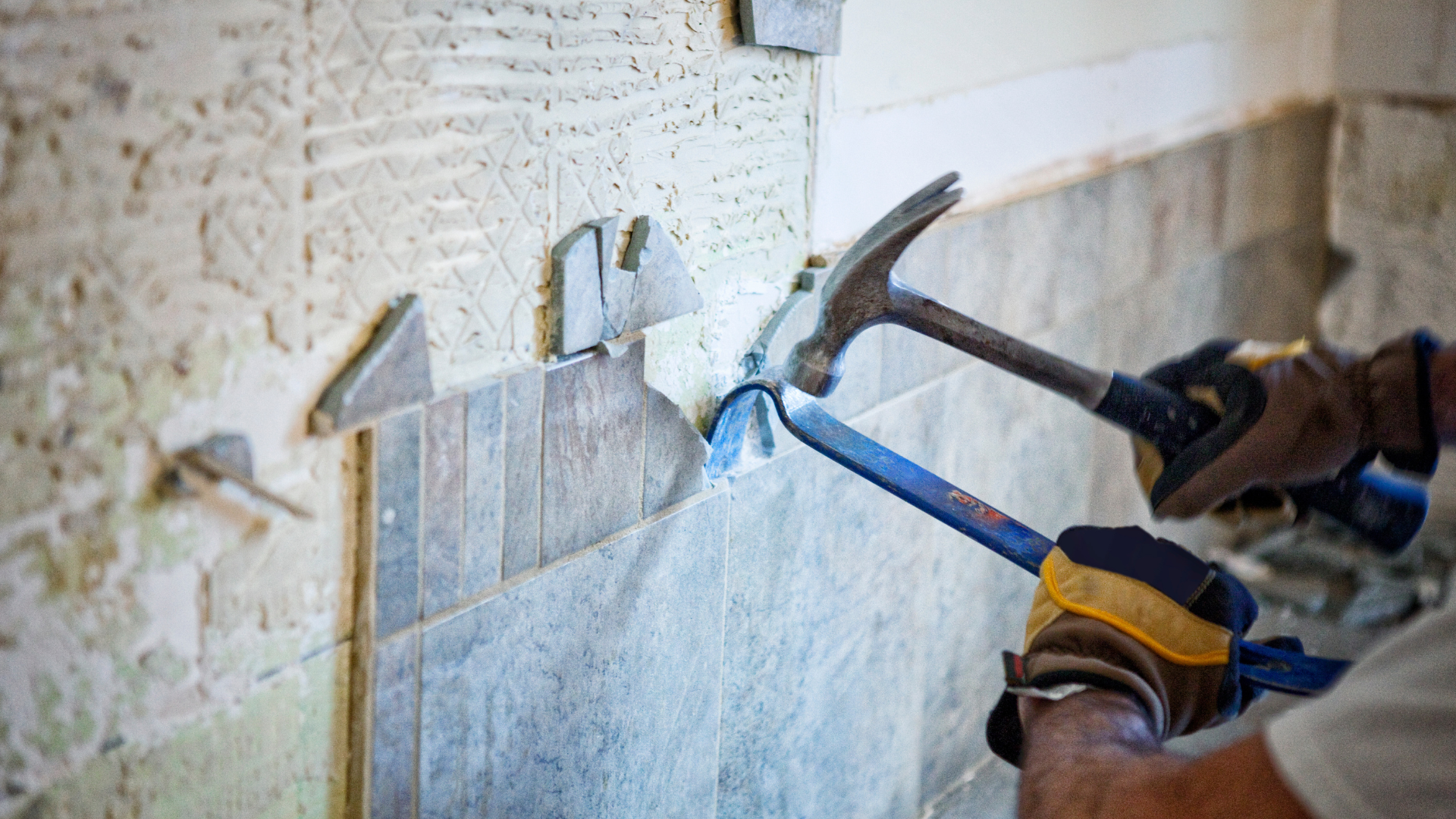
There is something deeply human about building walls. We do it instinctively, almost without thinking. We sort people into categories — insiders and outsiders, those who belong and those who do not. We organize ourselves by neighborhood, by preference, by history, by hurt. And over time, those walls stop feeling like walls at all. They just become the culture. They become the way things are. But what if the cross of Jesus Christ was not only about restoring your relationship with God? What if it was also about tearing down every wall you have ever built between yourself and another person? That is exactly what the Apostle Paul is driving at in Ephesians chapter 2, verses 11 through 22. And it is a passage that demands more than a casual reading. Remember Where You Came From Paul opens this section with a word that carries real weight: remember. He calls his readers to look back at what they once were before Christ entered the picture. The list he stacks up is sobering. Separated from Christ. Excluded from the covenant. Foreigners to the promise. Without hope. Without God in the world. This is not Paul shaming his audience. It is Paul grounding them. Because you cannot fully appreciate what you have been given until you honestly reckon with what you were without it. Every single one of us, before we came to faith, was on the outside looking in. We were not part of the family. We were not citizens. We had no claim on the promise. That is the baseline. That is where we all started. But Now Then Paul pivots with two of the most powerful words in all of Scripture. But now. In Ephesians 2:13, he writes that those who were once far off have been brought near by the blood of Christ. The distance that once defined us has been collapsed. Not by our effort, not by our merit, not by our religious performance, but by the blood of Jesus. And then Paul says something that ought to stop us in our tracks. He does not say that Jesus gives us peace as though peace were a product Christ distributes to individual consumers. He says that Jesus himself is our peace. There is a world of difference between those two statements. One treats peace as a benefit to be received. The other recognizes peace as a person to be known. This distinction matters enormously for how we understand the church. We live in a culture that has trained us to approach faith as consumers. We want the benefits of belonging to Christ without the inconvenience of belonging to one another. We want peace, joy, and healing, but we want them delivered privately, personally, and on our own terms. The problem is that this is not the design Paul is describing. The Wall That Was Torn Down In Ephesians 2:14, Paul says that Christ has destroyed the barrier, the dividing wall of hostility. In the ancient world, this carried a vivid and literal meaning. In the Jerusalem temple, there was an actual physical barrier separating the court of the Gentiles from the inner courts where Israel worshipped. Gentiles were not permitted beyond it. The wall was real, and what it communicated was unmistakable: you do not belong here. Christ demolished that wall. Not metaphorically. Not eventually. He demolished it through the cross, by setting aside the law with its commands and regulations, as Paul writes in verse 15, for the purpose of creating in himself one new humanity out of two. Read that again. One new humanity. Not two groups learning to tolerate each other. Not two communities agreeing to coexist politely. One new people, formed together in Christ, reconciled both to God and to one another through the same cross. This means that the same cross that deals with your sin before God also deals with the hostility between you and the person sitting across from you. You cannot separate those two realities. They are both accomplished by the same act. The House God Is Building By the time Paul reaches verses 19 through 22, the language shifts to architecture. You are no longer strangers and foreigners, he writes in verse 19. You are fellow citizens with God's people and members of his household. Built on the foundation of the apostles and prophets, with Christ Jesus himself as the cornerstone, the whole structure is joined together and rises to become a holy temple in the Lord. God is not building a collection of individual spiritual retreats. He is building a house. A dwelling place. A temple in which he himself lives by his Spirit. And you are part of it. Not a visitor. Not a guest with limited access. A member of the household. This reframes everything about what it means to follow Jesus. It means your faith is not a solo endeavor. It never was. The walls between you and other believers are not incidental inconveniences to be managed. They are structural problems that contradict the very thing Christ died to accomplish. What Walls Need to Come Down in Your Life The question Paul's words press us toward is both personal and uncomfortable. What walls have you built? Some are built on preference — they do not worship the way I do, they do not come from where I come from, they do not do things the way I would do them. Preference is not inherently sinful, but preference becomes dangerous when it becomes a boundary for belonging. Some walls are built on history. Something actually happened. Someone hurt you, betrayed you, or walked away. Those wounds are real, and wisdom sometimes requires a boundary. But there is a difference between a healthy boundary and a kingdom of bitterness. The gospel refuses to let what happened to you become your permanent identity. And underneath all of it is the question of identity itself. Paul's answer is clear. Your deepest identity is no longer defined by your background, your ethnicity, your politics, your denomination, or your wounds. Your deepest identity is that you are in Christ. Not near him. Not beside him. In him. When that becomes the foundation, the walls lose their authority. And what begins to rise in their place is something far greater than any wall you could ever build — the house that God himself is building, a dwelling place where there are no strangers, only family.Request prayer

September 21, 2026 • 2 Minute Read
No More Strangers
What an awesome Sunday we had continuing our series in Ephesians. If you were with us in person, we hope this recap stirs your heart again. If you missed it, I hope this summary will encourage and challenge you as you go about your week. Key Takeaways: Unchecked walls become culture. Whether rooted in preference, personal history, or pride — can quietly become the culture of a church if left unchallenged. We must regularly examine our hearts and ask what walls we have constructed that God never authorized, and be willing to let the Holy Spirit tear them down. The cross made us one family. The cross did not simply make enemies into better neighbors. It made them one family. Jesus Himself is our peace, not merely the one who delivers peace to us. That means true unity in the church is not manufactured through programs or personality, but through a shared and deepening surrender to Christ as Lord. Our identity in Christ outranks every label. Our deepest identity is no longer defined by background, wound, denomination, or preference. We are in Christ. That identity outranks every other label we carry, and when we truly live from that place, the walls lose their authority over us and over our community. As you go into this week, take a moment to reflect honestly on who you have mentally placed outside the house. Is there someone you have dismissed, avoided, or written off? The same cross that brought you near has brought them near as well. Let that truth move you toward someone this week. We are so grateful to do this together. You are not a visitor here. You are family. Pastor Tim Dye
September 16, 2026 • 6 Minute Read
Dead Men Made Alive
There is a particular kind of exhaustion that comes from trying to construct a version of yourself that God will finally be pleased with. You know the feeling. You attend more services, volunteer more hours, clean up your language, cut out the bad habits, compare your progress against the people around you, and still walk away with the quiet, nagging sense that it is not quite enough. That you are not quite enough. This is the treadmill of self-construction, and it is one of the most spiritually draining places a person can live. The second chapter of Ephesians tears that treadmill out of the floor entirely. The Raw Material God Actually Uses Paul opens Ephesians 2 not with a motivational charge or a list of qualifications. He opens with a funeral. He describes the human condition before Christ as one of spiritual death, a state in which people were not merely struggling or misguided or underperforming, but genuinely, completely dead. Dead in trespasses and sin. Shaped by the surrounding culture. Driven by personal desire and appetite. Subject to the judgment that such a condition rightfully invites. This is not Paul describing a bad week. This is Paul describing a condition. And the distinction matters enormously, because we live in a culture that is very good at diagnosing bad weeks. We have self-help frameworks and positive thinking strategies and motivational content designed to lift us out of our low moments. None of that is entirely without value. But none of it can resurrect a corpse. A corpse does not become alive by becoming a better corpse. The problem was never that humanity needed better behavior. The problem was that humanity needed life. This is where Paul's three-part description of the unredeemed condition lands with such weight. Dead to sin. Following the course of the world. Driven by the desires of the flesh and the mind. These are not three descriptions of bad habits. They are three ways of saying that without Christ, the human soul has no independent capacity to turn itself toward God. The direction of a life apart from Him runs consistently away from Him, shaped by forces that are not leading anywhere good. But God Two words in verse 4 change everything. But. God. These may be the most dramatic pivot in all of Scripture. Everything Paul has just described, the death, the disobedience, the deserved judgment, the utter helplessness of the human condition, gets interrupted by the character and initiative of God Himself. Not because humanity earned an interruption. Not because someone finally got their act together enough to deserve a second look. But because God is rich in mercy and moved by great love. Mercy, in this context, means God withholding the punishment that the condition actually deserved. And Paul does not merely say that God is merciful. He says God is rich in mercy. Abundantly, extravagantly, overwhelmingly merciful. This is not a God who reluctantly extends grace to people who have finally cleaned themselves up enough to qualify. This is a God who looked at dead people with profound compassion and moved toward them anyway. From that mercy and love, Paul describes three movements that God makes on behalf of those who were spiritually dead. He made them alive with Christ. He raised them up. And He seated them with Christ in the heavenly realms. Each movement builds on the last. First, life is given where there was none. Then, a completely new standing is established, one that is no longer defined by the old condition. Then, a position of spiritual security and rest is granted, the ancient image of sitting beside a king and sharing in his victory. This is not a moral upgrade. This is a resurrection. The Gift That Cannot Be Earned Ephesians 2:8-9 contains perhaps the most well-known statement in the entire letter. Salvation comes by grace through faith, not as a result of human effort or achievement, so that no one has grounds for boasting. Paul is closing a door firmly. The gift cannot be purchased, earned, or deserved. The moment someone tries to pay for it, they have misunderstood what it is. There is something quietly liberating about this, and also something that requires a genuine shift in thinking. So much of the religious impulse, even among sincere believers, runs toward proving worth. God saved me, so now I must demonstrate that I was worth saving. But that framing, however well-intentioned, corrupts the gift. It turns grace into a transaction. It places the burden back on human effort and reintroduces the exhaustion that grace was meant to end. The goal of the Christian life is not to pay God back. It cannot be. The gift does not work that way. A Poem, Not a Renovation Project Verse 10 introduces a word that reframes everything. The Greek word translated as workmanship or handiwork is the word from which we derive the English word poem. Believers are described as something God has crafted, composed, and inspired, not a building project that humanity is managing, but a work that God Himself is authoring. This distinction is significant. A renovation project starts with something existing and tries to improve it. A poem starts with intention, with something the author wants to express, and builds toward that from the beginning. God is not renovating people. He is writing something. And the story He writes begins not with impressiveness, but with death, and moves through grace toward life, purpose, and good works that He himself prepared in advance. Those good works are not the means of salvation. They are its outflow. They are the evidence that something real happened, that a life once pointed in one direction has been turned and is now moving differently, participating in what God is building rather than straining to construct something on its own. The Only Question That Matters All of this lands on a single, searching question. Are you alive? Not, are you doing enough? Not, are you better than you used to be? Not, are you better than the person next to you? Simply this: have you received the life that God offers through Christ? Because if you have, then your past does not define you, your failures do not trap you, and the circumstances pressing in around you this week are not the measure of your worth or your future. You were dead. But. God. That is the whole story. And it changes everything.Request prayer

September 14, 2026 • 2 Minute Read
You Were Dead, But God Made You Alive
What a powerful morning we shared together as we continued our series, The House That God Built. The Word of God met us right where we are, and I pray it continues to work in you throughout this week. Takeaways: Stop trusting in your own construction. You cannot moralize, serve, attend, or perform your way into what only God can do. The invitation is not to renovate yourself but to receive what he has freely given. Salvation is a gift, and gifts are not earned. Let your past be gone. Your past may explain where you have been, but it does not get to define where you are going. Paul writes of death in the past tense and life as a present reality. You have been made alive, raised up, and seated with Christ. That is your identity today. Ask what God created you to do. You are not here simply to exist. You are saved to participate in what God is building. The good works he has prepared for you are not the means of your salvation — they are the outflow of it. Step into them this week. As you move through your week, I want to encourage you to keep this truth close: the measure of your life is not your circumstances, your failures, or your struggles. It is the life that has been breathed into you by a God who is rich in mercy. You were dead, and he made you alive. Let that reality shape everything. I am grateful to walk this journey with each of you. See you next week. Pastor Tim Dye

September 9, 2026 • 6 Minute Read
The House That Stands
If you walked into a city and someone told you to find the strongest building, what would you look for? Most of us would gravitate toward the tallest structure, the thickest walls, the most impressive architecture. We would follow the money, the influence, the visibility. Strength, we assume, looks like strength. But what happens when the most powerful thing in the room does not look powerful at all? That question sits at the heart of one of the most remarkable passages in the New Testament. In Ephesians 1, the apostle Paul writes to a church located in one of the most affluent and influential cities of the ancient world. Ephesus was a commerce hub, a center of wealth and political power. And towering over the city stood the Temple of Artemis, one of the ancient world's most breathtaking structures. It was the kind of monument that made people feel small. It was the kind of thing that made power look permanent. And yet Paul, writing from prison while chained to a Roman guard, does not tell the church at Ephesus to compete with any of it. He does not pray for more influence, more visibility, or a bigger platform. He prays that God would open their eyes. That distinction matters enormously. The Trap of What We Can See We are conditioned to measure reality by what is visible. We measure churches by attendance and budgets. We measure people by careers and neighborhoods. We measure our own lives by what we can control and what we can afford. None of these things are inherently wrong, but they make terrible foundations. Visible things can give the appearance of security without the substance of it. The Temple of Artemis looked permanent. Rome looked permanent. Caesar looked permanent. None of them were. This is precisely why Paul's prayer in Ephesians 1:17-18 is so striking. He does not ask God to give the church more resources or more recognition. He asks that God would give them the spirit of wisdom and revelation, and that the eyes of their hearts would be enlightened. He is not praying for more information. He is praying for an entirely different way of seeing. Christianity is not simply the act of receiving new information about God. It is receiving new eyes through which to interpret a new reality. You can look at the same set of circumstances and see them in completely different ways depending on where your vision is anchored. Paul was in prison. Jesus was on the throne. The church was small. Christ was filling everything. Rome looked powerful. Jesus was Lord. Same world. Entirely different vision. The Power That Cannot Be Borrowed or Threatened Paul does not stop at the prayer. He goes on to describe the power that is already available to those who belong to Christ, and the language he uses is staggering. He stacks word upon word in the original Greek to try to capture what human language can barely contain. There is dunamis, the explosive, dynamic power from which we derive the word dynamite. There is energia, a working, active power. There is kratos, strength expressed through authority. There is ischus, the raw capacity and force behind something. All of it, Paul says in Ephesians 1:19-20, is directed toward those who believe. And then he anchors it to a single, defining event. This is the same power, he writes, that raised Christ from the dead. Think about what that means. The greatest demonstration of God's power was not that he created something out of nothing. It was that he brought dead things back to life. And that same resurrection power is not theoretical. It is not dormant. It is not borrowed, and it is not threatened by anything happening in the world around us. The question that follows is deeply personal. Are there areas of your life where you have been living as though that power is unavailable to you? Places where dead thinking has settled in, where exhaustion has taken root, where you have been straining to steer your own life through sheer effort? The invitation here is to stop praying in vague, general terms and start naming things specifically. Transformation tends to happen in the specific, not the general. When we bring particular struggles, particular fears, and particular needs before God, something shifts. The Body, Not the Building Paul closes this section of Ephesians 1 with a declaration that reframes everything. God placed all things under Christ's feet and appointed him as head over everything, and then Paul identifies what that means for the church. The church, he writes in Ephesians 1:22-23, is his body, the fullness of him who fills everything in every way. Not his audience. Not his customer base. Not a weekly event. His body. This is the identity that changes everything. The church is not an institution that Christ founded and left behind. It is the living expression of his presence in the world. Those who are in Christ carry that reality with them not just inside a building on a Sunday morning, but wherever they go throughout the week. And the foundation of that body is not its size, its programs, its reputation, or its leadership. The foundation is Christ himself. The house stands because he is. Everything else, every earthly construct built on something other than him, will eventually be shaken. A Question Worth Answering So here is the honest question this passage puts before us. What are you trusting right now to give you security that only Christ can give? A career, a relationship, a financial position, your own ability to manage circumstances? These things were never designed to carry that weight. And the reason so many of us are exhausted is that we are doing what only God can do. The invitation today is threefold. Repent from false foundations. Ask God to open the eyes of your heart to see what he is actually doing. And reorient your understanding of what the church is and what it is for. The only house that will ultimately stand is the one the Lord is building. And the remarkable news is that if you belong to Christ, you are already part of it.Request prayer

September 7, 2026 • 2 Minute Read
We Are the House That God Builds
What a powerful morning we shared together as we launched our new six-week series in the book of Ephesians. It was a reminder that what God is building among us is far greater than anything we could construct on our own. During the message we explored Paul's prayer in Ephesians 1 and what it means for the church to be the body of Christ -- the house that God builds. Drawing on the backdrop of Paul writing from prison to a small church overshadowed by the massive temple of Artemis in Ephesus, I challenged us to stop measuring God's work by what is visible and to instead ask God to open the eyes of our hearts. The same resurrection power that raised Christ from the dead and seated him above every rule, authority, power, and dominion is the very power at work in us as believers. The church is not an institution, a weekly event, or a fan club -- it is the body of Christ, the fullness of him who fills everything in every way. Here’s a Few Key Takeaways for Us To Remember: We must confront the trap of measuring God's house by what we can see. Visible things -- attendance, budgets, buildings, influence -- can give the appearance of strength without the substance of it. Paul's prayer was not for the church to compete with the powers around them, but for the eyes of their hearts to be opened to a different reality altogether. The power available to believers is resurrection power. It is the same power described in Ephesians 1:19-20 -- not theoretical, not dormant, not borrowed, and not threatened. God's greatest demonstration was not making something out of nothing; it was bringing dead things to life. That power is personally and specifically available to each of us who believe. The church exists because Christ is building it, not because we have built it. We are his body, and our foundation is not our programs, our reputation, or our pastor -- it is Christ himself. When we labor to fix what only God can build, we exhaust ourselves. The call is to repent from false foundations and reorient our lives around what Christ is doing through his Spirit in his body. I am grateful to walk this journey with each of you. See you next week. Pastor Tim Dye
September 2, 2026 • 6 Minute Read
Worship Is a Response, Not a Routine
There is a question worth sitting with today, one that cuts past the surface of Sunday mornings and gets to the heart of something every believer must eventually face: if the music stopped, if the lights went down, if every familiar element of a worship service was stripped away, would you still know how to worship? That question is not meant to unsettle. It is meant to clarify. Because authentic worship was never meant to be dependent on atmosphere or aesthetics. It was always meant to be a response — a living, breathing, deeply personal and powerfully corporate response to who God is and what God has done. The Blueprint in 1 Chronicles 16 In 1 Chronicles 16, King David delivers what can only be described as a masterpiece of praise. After years of struggle, wandering, and waiting, the ark of God has finally been brought to its proper place. And David's response is not a casual nod of gratitude. It is a full, deliberate, multifaceted act of worship that serves as a blueprint for every generation that follows. Beginning in verse 8, David calls the people to give thanks to God, to make his deeds known among the peoples, to sing to him, to talk of all his wondrous works, and to glory in his holy name. He then moves through a sweeping recounting of everything God has done — his covenant with Abraham, his oath to Isaac, his protection of a wandering and vulnerable people. The message is unmistakable: before you can truly worship, you have to remember. Worship Requires Memory One of the most disarming truths in this passage is that genuine worship is anchored in history. David does not call Israel to manufacture a feeling or conjure an emotion. He calls them to look backward — to the track record of a faithful God — and let that remembrance fuel their praise. This is deeply relevant today. It is easy to withhold worship when a promise has not yet been fulfilled, when a prayer has not yet been answered, when the miracle is still somewhere on the horizon. But David's instruction is clear: the substance of worship is not what God is about to do. The substance of worship is what God has already done and who he has already proven himself to be. Has God been faithful to you? Has he shown up when no one else would? Has he extended grace in moments when judgment would have been justified? Those are not small things to be filed away and forgotten. They are the very fuel of authentic praise. The Holy Spirit, as described in John 14, teaches believers all things and brings to remembrance everything about God. Sometimes worship begins not with a song but with a memory. Personal and Corporate, Together One of the most striking elements of 1 Chronicles 16 is that David does not deliver this psalm in private. He gathers all of Israel. He distributes food to every man and woman. He appoints musicians and singers. Worship here is a unifying communal experience, and that design is intentional. Scripture is consistent on this point. While personal worship — the kind that happens alone in a car or in a quiet room before dawn — is vital and real, it reaches its full maturity when the family of God responds together. The body of Christ is not a collection of isolated thumbs. It is a full body, every part distinct in gifting and expression, but unified in what it beholds. This is where many communities of faith find themselves fragmented. Being in the same room does not create unity. Singing the same words does not create unity. Beholding the same God does. When every member of a congregation — regardless of personality, background, or gifting — is genuinely fixing their gaze on the glory of God, unity is not a goal to be achieved. It is a natural result. Ascribing Worth to His Name David's psalm shifts in its latter half from recounting what God has done to proclaiming who God is. In verses 25 through 27, the language moves into the territory of adoration: great is the Lord and greatly to be praised, honor and majesty before him, strength and gladness in his place. The Hebrew word translated as "ascribe" means to assign or credit something to its rightful owner. Worship, at its core, is giving God the credit for being God. It is not transactional. It is not conditional. It does not wait for circumstances to improve before it opens its mouth. The ancient Hebrew words for praise paint a rich picture of what this looks like in practice. Yadah speaks of the surrendered, lifted hand — a posture of total submission and public confession. Halal, from which the word hallelujah is derived, carries the idea of a boisterous, even seemingly foolish celebration of God's greatness. Zamar refers to the plucking of strings, the making of music, the harmonious artistic expression of praise. Tehillah moves into the spontaneous, Spirit-led song — the kind that happens when a believer steps off the script and lets the Holy Spirit lead somewhere unexpected. These are not denominational preferences. They are biblical expressions of worship that God himself invites from his people. Worship That Moves Outward Authentic worship never stays contained within four walls. In verses 23 and 24, David calls the people to declare God's glory among the nations, to tell of his salvation from day to day. True worship, when it takes root in a person's life, inevitably drives them outward — toward the people around them, toward the world that does not yet know the name it was made to praise. Worship and mission are inseparable. A heart genuinely captured by the greatness of God cannot remain silent about it. A Revelation, Not a Routine The invitation today is not to perform worship more skillfully. It is to respond to a revelation. When Israel looked at the ark, remembered their history, and recognized the majesty of God, the only logical response was praise. Not because someone told them to. Because they had seen something true. The question is not whether you are in a worship service. The question is whether you have had the revelation — of who God is, of what he has done, of the grace that found you when you were not looking for it. If you have, then you already have everything you need to worship.Request prayer
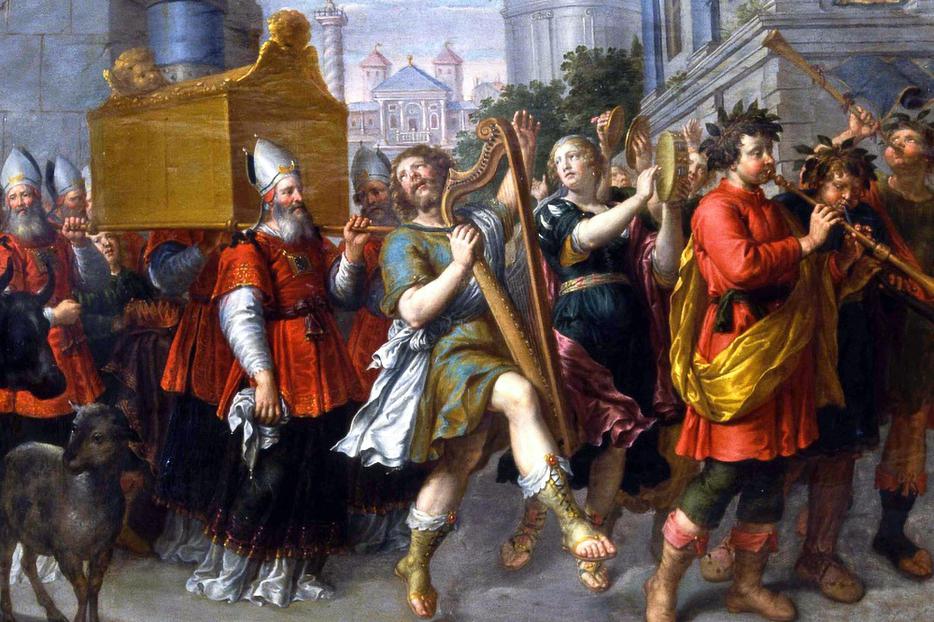
August 26, 2026 • 6 Minute Read
When Preference Surrenders to Presence
There is a question that does not get asked nearly enough in the life of the modern believer. It is not a complicated question. It does not require a theology degree or decades of church experience to understand. But it may be the most disruptive question you encounter this week: What does God actually want? Not what feels right to you. Not what tradition handed down. Not what fits neatly into your Sunday morning routine. What does God want? John Piper once wrote that authentic worship is not determined by what feels right to us. It is determined by what is true about God. That single sentence has the power to rearrange everything we think we know about how we engage with the Creator of the universe. Because if worship is not primarily about our comfort, our preferences, or our emotional experience, then something fundamental has to shift in the way we approach it. Worth-Ship: What Worship Actually Means The word worship finds its roots in the concept of worth-ship, the act of ascribing worth to something. And here is the sobering reality: everyone worships. Take an honest inventory of your week and ask yourself where your deepest affections are aimed. Whatever receives the consistent weight of your attention, your energy, and your devotion is receiving your worship. The question is never whether you will worship. The question is always what you will worship and whether that worship is aimed correctly. Worship and love are inseparable. How we love God is a direct reflection of how we know him. And God's deepest desire is to be known. He does not want admirers from a distance. He wants people who have moved from knowing about him to actually knowing him. That transition, from singing about God to singing to God, from religious routine to genuine relationship, is where authentic worship begins. The Cart and the Correction The ancient account of Israel attempting to transport the Ark of the Covenant carries more relevance for the modern believer than it might first appear. In 1 Chronicles 13, the people were passionate. They were excited. They loaded the ark onto a cart and celebrated with music and enthusiasm. But their approach was wrong, and the consequences were devastating. Their sincerity did not protect them from the reality that sincerity alone is not enough. You can be genuinely, deeply sincere and still be wrong. By the time 1 Chronicles 15 arrives, something has changed. The approach is different. There is preparation. There is consecration. There is an intentional alignment with what God actually instructed. The Levites carry the ark on their shoulders with poles, exactly as God had commanded through Moses. The passion is still present, but now it is paired with obedience. And that combination changes everything. The lesson is not that passion is dangerous. It is that passion without obedience is incomplete. God was never asking Israel to be less enthusiastic. He was asking them to channel that enthusiasm through submission to his order. Consecration Before Celebration One of the most striking elements of 1 Chronicles 15 is the call to consecrate, to set oneself apart, to prepare before approaching the presence of God. This stands in sharp contrast to the casual, spontaneous approach of chapter 13. Before the Levites touch the ark, they prepare themselves. What would it look like to bring that kind of intentionality into your own worship life? Not as a rigid formula, but as a genuine posture of the heart that says, what I am about to engage in matters deeply, and I want to approach it with everything I have. Paul reminds the church in Corinth in 1 Corinthians 6:19 that the body of believers is the temple of the Holy Spirit. So much energy is spent asking God to move in a room, in a service, in a building. But the deeper invitation is to ask God to move in you. That is consecration. That is the living sacrifice described in Romans 12:1, where worship is not merely what comes out of your mouth but what you give over to God entirely. The Veil Is Torn There is a profound architectural reality built into the design of the ancient tabernacle and temple. Worship moved progressively inward, from the outer courts of thanksgiving and praise, through the inner courts, all the way to the Holy of Holies, the innermost place of God's presence. In the old covenant, only the high priest could enter that innermost place, and even then only once a year, with great care and preparation. But when Christ died, the veil separating the inner court from the Holy of Holies was torn from top to bottom, as described in Matthew 27:51. That tearing was not incidental. It was the entire point. Jesus purchased access to the deepest place of God's presence for every believer. The question that must follow is this: why would we stop short? So much of modern worship never moves beyond the outer court. Gratitude for salvation is beautiful and right. But God is beckoning his people further in. He is inviting a depth of communion that goes beyond thanksgiving into genuine encounter with his face. The Cost and the Joy Authentic worship is costly. The woman who broke an alabaster jar of expensive perfume and poured it over Jesus' feet, described in Luke 7, did not calculate the loss. She gave extravagantly because she understood the worth of the one she was honoring. The man in Matthew 13 who found treasure in a field sold everything he had to obtain it, not reluctantly but joyfully, because he understood what he was gaining. When Israel finally carried the ark into Jerusalem the right way, the celebration that erupted was unlike anything they had experienced before. David danced. The people shouted. Joy returned. And it returned not despite the correction and the cost, but because of it. Obedience had created the space for authentic joy to break through. That is the promise waiting on the other side of surrendered worship. Not a quieter life, but a more surrendered one. Not less passion, but passion rightly aimed. Not the worship you prefer, but the worship that honors a God who is worthy of everything you have. The veil is torn. The way is open. The only question remaining is whether you will go all the way in.Request prayer
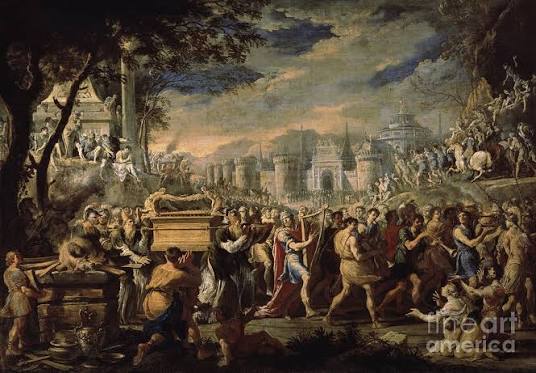
August 19, 2026 • 6 Minute Read
Whole-Hearted Worship
There is a question that has the power to reshape everything about the way you approach God. Not a complicated question, not a theological riddle, but a simple and searching one: What is authentic to you, God? Not what feels authentic to us. Not what tradition has handed down, not what makes us feel the most moved or the most comfortable. What is authentic to God? That question cuts through decades of assumption, habit, and preference, and it lands somewhere most of us are not prepared to go. And that is exactly where we need to start. A Story With Unexpected Tension In 1 Chronicles 13, there is a worship story that most people would rather skip over. David, described elsewhere in Scripture as a man after God's own heart, decides it is time to bring the ark of God back to Jerusalem. The ark was not merely a religious artifact. It was the tangible symbol of God's presence among Israel, the visible reminder that God was moving with his people, guiding them, speaking to them, leading them forward. David gathers the nation. The desire is right. The excitement is genuine. They load the ark onto a new cart, and the celebration begins in full. There is music, singing, instruments, and passion. By every external measure, this looks like an extraordinary worship service. And then a man named Uzzah reaches out to steady the ark when the oxen stumble, and God strikes him dead. The celebration stops. David is angry. David is afraid. And the ark never makes it to Jerusalem that day. If you felt the tension in that story, good. You are supposed to. Because the tension is the point. Good Intentions Are Not Enough The first and most uncomfortable truth this passage confronts us with is that good intentions do not automatically produce good worship. David wanted God's presence. His desire was completely right. But the method was completely wrong. The ark was never supposed to be transported on a cart, new or otherwise. God had given specific instructions about how it was to be carried, by the Levites, using poles, in a particular way. None of that was followed. And sincerity, passion, and a brand new cart were not sufficient substitutes for obedience. David himself would later acknowledge the failure plainly. They had not inquired of God about how to do it in the prescribed way. That is a staggering worship principle. The people were celebrating loudly and still operating in direct contradiction to what God had said. This means something for every person who has ever said, "I know God understands my heart." He does. And that is precisely why it matters. Because worship is not simply a question of what we want to give God. It is a question of what God has said he wants from us. The Difference Between Wanting the Experience and Wanting God There is a version of worship that is entirely about the worshiper. It chases the feeling, the atmosphere, the emotional movement of a song, the collective energy of a room. And none of those things are inherently wrong. But they can become a substitute for something far more real. Authentic worship begins not with music or excellence or emotion. It begins with actually wanting God. Not the feeling of his presence. Not the benefit of his blessing. Not the relief of his intervention. Him. Israel had grown comfortable functioning without the tangible reminder of God's presence. They had settled into a rhythm of life that did not require them to engage with who God actually was. David saw it and refused to accept it. He wanted the ark back not as a religious ceremony but because he understood that a people without God's presence are a people adrift. The same question applies today. Is the goal of your worship to encounter God, or to experience something that feels like encountering God? Those are not always the same thing. You can raise your hands and not want God. You can know every lyric and not want God. You can serve faithfully every week and still be operating at a comfortable distance from the one you are serving. Worship Cannot Be Separated From Obedience One of the most sobering realities in Scripture is that God has rejected worship before. The story of Cain and Abel. The confrontations in Isaiah 1 and Amos 5, where God tells his people to stop bringing him their festivals and songs because they have divorced their worship from the way they are actually living. The New Testament warning about people who have a form of godliness but know nothing of its power. Passion is not the same as obedience. Sincerity is not the same as obedience. You can be loud and be wrong. You can be emotional and be wrong. You can be excellent and be wrong. God does not simply care that we worship. He cares how we worship and whether that worship flows from a life that is genuinely submitted to him. This is where worship becomes more than a Sunday activity. Every area of your life where you are resisting what God has asked of you is a place where your worship is incomplete. Forgiveness you are withholding. A word you gave that you have not honored. A blind spot you have never allowed God to address because the process would be too uncomfortable. The Fear of the Lord Somewhere along the way, the modern church largely lost its sense of the fear of the Lord. Not a cowering, terror-filled dread, but the kind of holy awe that Proverbs describes as the very beginning of wisdom. The kind of reverence that keeps a person from treating God as common, as manageable, as something to be casually worked into a busy schedule. God is not common. His presence is not something to be manufactured. His holiness is not something to be manipulated. His glory is not something we produce with the right lighting and the right song selection. Worship, at its core, is a response. Not a technique for getting God to respond to us, but our response to who he already is. He is worthy not because of what he has done for you this week, though that is real. He is worthy because of who he is, always, entirely, without condition. The question worth sitting with today is not whether you worship. It is whether what you call worship is actually about him.Request prayer
August 12, 2026 • 6 Minute Read
Laying Down Your Opinion at the Altar
There is a moment in every believer's life when God stops being a concept and starts being a confrontation. Not a hostile one, but a holy one. The kind that strips away every comfortable assumption you have built around your faith and leaves you standing before a burning bush, wondering if you are willing to take off your shoes. That moment is not something you can manufacture. You cannot schedule it, market it, or conjure it up through sheer spiritual effort. It comes when the omnipresent God of the cosmos decides to make himself manifest in a place, in a moment, in a life. And when he does, the question he is always asking is the same one he asked Moses: Do you know who I am? The Disease Called Comfort There is an epidemic spreading across the church in America, and it is not a lack of information. Believers today have access to more sermons, more Bible translations, more theological content than any generation in history. The epidemic is comfort. It has settled into the pews, crept into the prayer closets, and quietly convinced an entire generation of Christians that a faith which costs nothing is still worth something. Comfort is dangerous not because it feels bad, but because it feels so good. It tells you that God is manageable, predictable, and safely contained within the boundaries of what you already understand. It tells you that the version of God you met years ago is sufficient for the life you are living today. It tells you to stay in the boat. But here is the truth: no human being has a natural, defaulted longing for more of God. Left to ourselves, we gravitate toward what is safe, what is familiar, and what confirms what we already believe. The desire for more of God is itself a gift from God. When that hunger rises in you, it is not your own spiritual ambition talking. It is the Spirit of God initiating something. Opinions Are Not Revelation One of the most subtle enemies of spiritual growth is a well-formed opinion. Opinions feel like wisdom. They are shaped by experience, by tradition, by the denominational frameworks we inherited, and by the natural limitations of our own faith. And because they feel reasonable, we rarely question them. But Paul addresses this directly in 2 Corinthians 10. He speaks of arguments and every high-minded thing raised up against the knowledge of God(2 Corinthians 10:4-5). The word "high-minded" is worth sitting with. It does not describe obvious rebellion. It describes intellectual confidence, the kind of certainty that comes from people who have thought deeply about God and arrived at conclusions that leave no room for him to surprise them. Paul calls believers to demolish those arguments. Not with louder opinions, but with obedience. He speaks of taking every thought captive to obey Christ (2 Corinthians 10:5). That is not passive. That is an active, daily, sometimes hourly decision to place your own reasoning under the authority of someone who knows more than you do. The question worth asking yourself is this: when was the last time God did something in your life that your opinion did not predict? Abraham, Moses, Peter, and You Scripture is full of people who encountered God at the precise moment their own reasoning ran out. Abraham did not climb that mountain with a theological framework for how God provides. He climbed it with a knife and a son and a question he could not answer. Moses did not approach the burning bush with a plan for national liberation. He approached it as a fugitive shepherd who had been hiding in the desert for forty years. Peter did not step out of the boat because the water looked calm. He stepped out because a voice told him to come. None of them conjured the encounter. None of them manufactured the moment. What they shared was a willingness to move when God moved, even when their opinion said it made no sense. That is the invitation being extended right now. Not to a feeling, not to an emotional experience, but to a posture. A posture that says, I will lay my opinion on the altar. I will stop measuring God by the limitations of my own understanding. I will trust that I Am is exactly who he says he is. The Walking Contradiction There is a sobering reality that the church must face honestly. It is possible to speak the language of faith on Sunday and live the language of comfort every other day of the week. It is possible to sing about surrender and never actually surrender anything. It is possible to know the right answers about God and still live as though he is not entirely real. Paul's appeal in 2 Corinthians 10 is not primarily about doctrine. It is about integrity. He says that what he is in his letters when absent, he will be in his actions when present (2 Corinthians 10:11). There is no version of Paul for the church and a different version for everyone else. There is just Paul, shaped by an encounter with a risen Christ on a road to Damascus, living that reality in every room he enters. The church does not grow through better programs or louder announcements. It grows, as Paul makes plain, when the faith of its people increases(2 Corinthians 10:15). Personal faith. Individual obedience. The quiet daily decision to decrease so that he increases. The Commendation Worth Having At the end of 2 Corinthians 10, Paul makes a statement that cuts through everything: it is not the one who commends himself who is approved, but the one the Lord commends (2 Corinthians 10:18). You cannot commend yourself into spiritual authority. You cannot build a reputation with God through performance. But the God who calls himself I Am is not withholding his commendation. He has already spoken it through the cross, through the resurrection, through every word of scripture that declares his people redeemed and called and set apart. The only question left is whether you will believe it enough to walk in it. Whether you will let your faith expand past the borders of your opinion. Whether you will step out of the boat. He is not asking you to have it all figured out. He is asking you to come.Request prayer

August 7, 2026 • 3 Minute Read
When Life Gets Hard, Stand Firm
I have to admit that some seasons in life are harder than others. At first when I first came to faith in Jesus, I developed a super hero mindset that viewed hardship as something I was going to be immune from. Funny this is, I thought that being a Christian meant that I was not ever going to actually have to stand firm in times of my life. Somehow in my little christian bubble, i hadn’t fully realized that the muscle of faith grows in hardship. For so many of us here at Freedom, this has been a season of difficulties. From accepting the fact that change is happening and going through health battles to trusting God for what you can’t see in the here and now. I see you, friends. Navigating through trials is never easy and now in my life I see just how important it is to find inspiration. Listen, in the midst of struggle, we must find inspiration that develops our faith. So what do we do when life is hard and things don’t seem to be going like we think they should? I offer a simple yet practical guide for giving us motivation to stand firm. The Apostle Peter writes to the first century followers of Christ in an attempt to strengthen them from turning back, surrendering and giving in. Here is my reminder to you from 1 Peter: Live with great expectation. (1 Peter 1:3-4) He’s reminding the believers that God’s great mercy through Christ is proof that they are born again and have a priceless inheritance. This is kept in heaven for us and it’s beyond change and decay! Joy is ahead. (1 Peter 1:6-8) Trials reveal a faith that is genuine. He says’ “So when your faith remains strong through many trials, it will bring you much praise and glory and honor… Friends, we must have faith in the God who saves! “Though you do not see Him now, you trust Him with a glorious, inexpressible joy” Don’t slip back into your old ways of living. (1 Peter 1:14-16) After we commit our lives to Christ, we sometimes feel a pull back to our old ways. Simply put, our focus and priorities must be His. Rely on God’s power to free you from giving up and giving in so you can truly live to show others that God can be trusted. Suffer for good and endure it patiently. (1 Peter 2:20-21) Recently God gave me a reminder to allow Christ to receive the glory of my sufferings. This is exactly what Peter is saying…”God is pleased with you”, when we do this. Christ Jesus is our example who “left his case in the hands of God”. That is powerful. Can we just leave our case in the hands of God like Jesus did? Yes, we can! Let’s break up with a theology that thinks the Christian life is rainbows and butterflies. Don’t get me wrong, this life in Christ is the best decision that you will ever make but hear the last words of Peter from 1 Peter 4:19. “So if you are suffering in a manner that pleases God, keep on doing what is right, and trust your lives to the God who created you, for He will never fail you”. Peace to all of you, God’s word stands forever. Pastor Tim Dye

August 5, 2026 • 6 Minute Read
When Worship Becomes Routine
There is a question worth sitting with today, one that has the potential to cut straight through the noise of religious habit and land somewhere uncomfortably close to the truth. The question is not "Did I feel God today?" The better question is this: "God, did you recognize my worship today?" That distinction matters more than most of us would like to admit. The Human Default Every one of us is wired with a tendency to drift. It is not a flaw unique to a certain kind of person or a certain season of life. It is the human default. We begin with fire. We begin with a sense that nothing can stop us, that God is in everything, that the gates of hell themselves could not hold back what has been ignited in our hearts. And then time passes. Comfort creeps in. The fire weakens. The holy ambition that once defined us slowly gives way to something more manageable, more routine, more safe. The children of Israel knew this drift well. They had witnessed the impossible. They had walked through a divided sea on dry ground, watched their enemies swallowed by the very waters that had just delivered them, and followed a pillar of cloud and fire through the wilderness. God was not subtle with them. He was unmistakable. And yet, within a short span of time, they were murmuring about the food, longing for Egypt, and treating the miraculous provision of manna as something mundane and tiresome. The lesson embedded in their story is not a comfortable one. It is this: there will always be more moments in life trying to snuff out the flame than there were moments that lit it. The moment of genuine encounter with God, that real and transforming moment when life shifts from darkness to light, is the moment of all moments. But it will be outnumbered. Circumstances, disappointments, comfort, and routine will press in from every side, and the fire will dim if the heart is not intentionally kept alive. What God Actually Wants In Isaiah 29, the prophet delivers a word that is as relevant today as it was the day it was spoken. God's indictment against the people was not that they had stopped showing up. They were still coming. They were still going through the motions of worship. But their hearts were far from him, and their worship had become little more than a set of learned behaviors, rules repeated by rote, motions performed out of habit rather than love. Rote. It is a simple word with a sobering meaning. It describes the kind of worship where the body is present but the heart checked out long ago. It is showing up on Sunday, singing the songs, dropping something in the offering, saying hello to a few people, and heading home feeling like the spiritual box has been checked for another week. God was not impressed. He was not moved. And in the book of Amos, the language becomes even more striking. In Amos 5, God declares that he despises religious festivals when they are disconnected from genuine hearts. He refuses burnt offerings. He turns away from songs of praise. Not because worship itself is wrong, but because worship without the heart is not worship at all. It is performance. And God has never been interested in a performance. This is a thread woven consistently through both the Old and New Testaments. God's desire has not changed across the covenants. What he wanted from Israel in the wilderness is what he wants from his people today. He did not deliver them from Egypt so they could build bricks for a new master. He delivered them so they could worship him. The Hebrew word used in that passage carries the full weight of worship, not just service or labor, but genuine, heart-engaged devotion. Worship and Obedience Are Inseparable One of the most challenging truths in all of this is that God refuses to separate worship from obedience. They are not two different categories of the spiritual life. They are one. Worship that is genuine will always produce a life that reflects it. And a life that has drifted into disobedience, comfort, or compromise will always eventually produce worship that rings hollow. This is why authenticity in the kingdom is not ultimately about atmosphere, style, or personality. It is not about finding the right church culture or the most relatable pastor. Those things are not unimportant, but they are not the point. Authenticity before God is determined by whether the heart aligns with what God calls genuine. It is an inward reality before it is ever an outward expression. The story of Paul and Silas in prison illustrates this beautifully. Locked in chains, unable to go home, far from comfort, with nothing going right by any earthly measure, they chose to worship. Not because everything was fine. Not because the need had been met. But because their hearts were fixed on the one who sustains even when the circumstances say otherwise. That is worship that God recognizes. That is the kind of praise that shakes foundations. The Invitation to Go Deeper The call in all of this is not to perform better or try harder. It is something far more personal than that. It is an invitation to stop looking outward for authentic spiritual experience and to look inward. To ask the honest question. To sit with it. To stop assimilating into the assembly and start engaging with the God who is present in it. God is described in Hebrews 11 as the rewarder of those who diligently seek him (Hebrews 11:6). That word diligently is not passive. It is not the posture of someone going through the motions. It is the posture of someone who has decided that encounter with God is worth pursuing with everything they have. The burning bush never burned out. That same God is still burning. The question is whether we are willing to take our shoes off, recognize the holy ground beneath our feet, and bring him something real.