

Search
Recent Posts
September 23, 2026 • 6 Minute Read
Torn Down
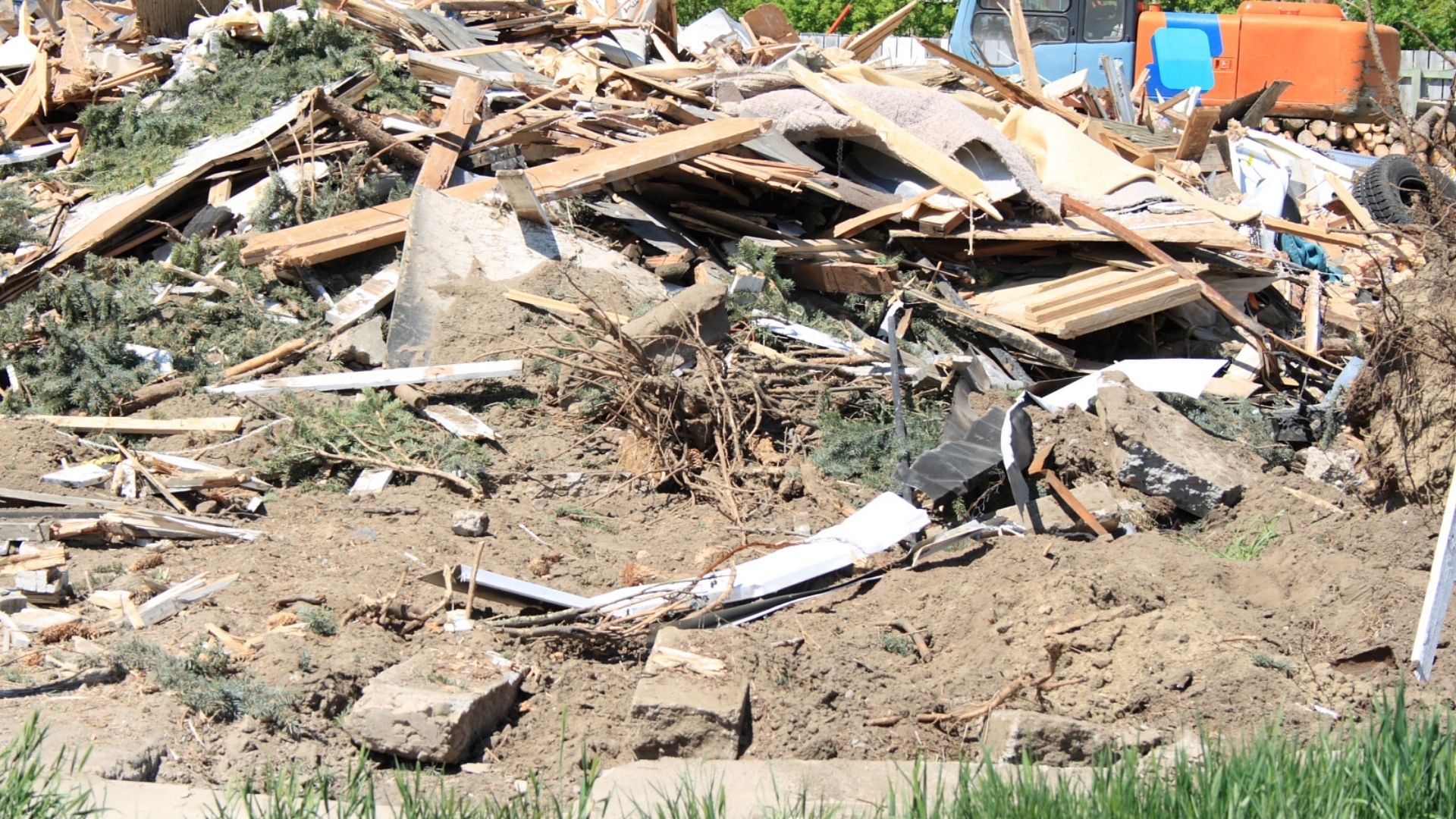
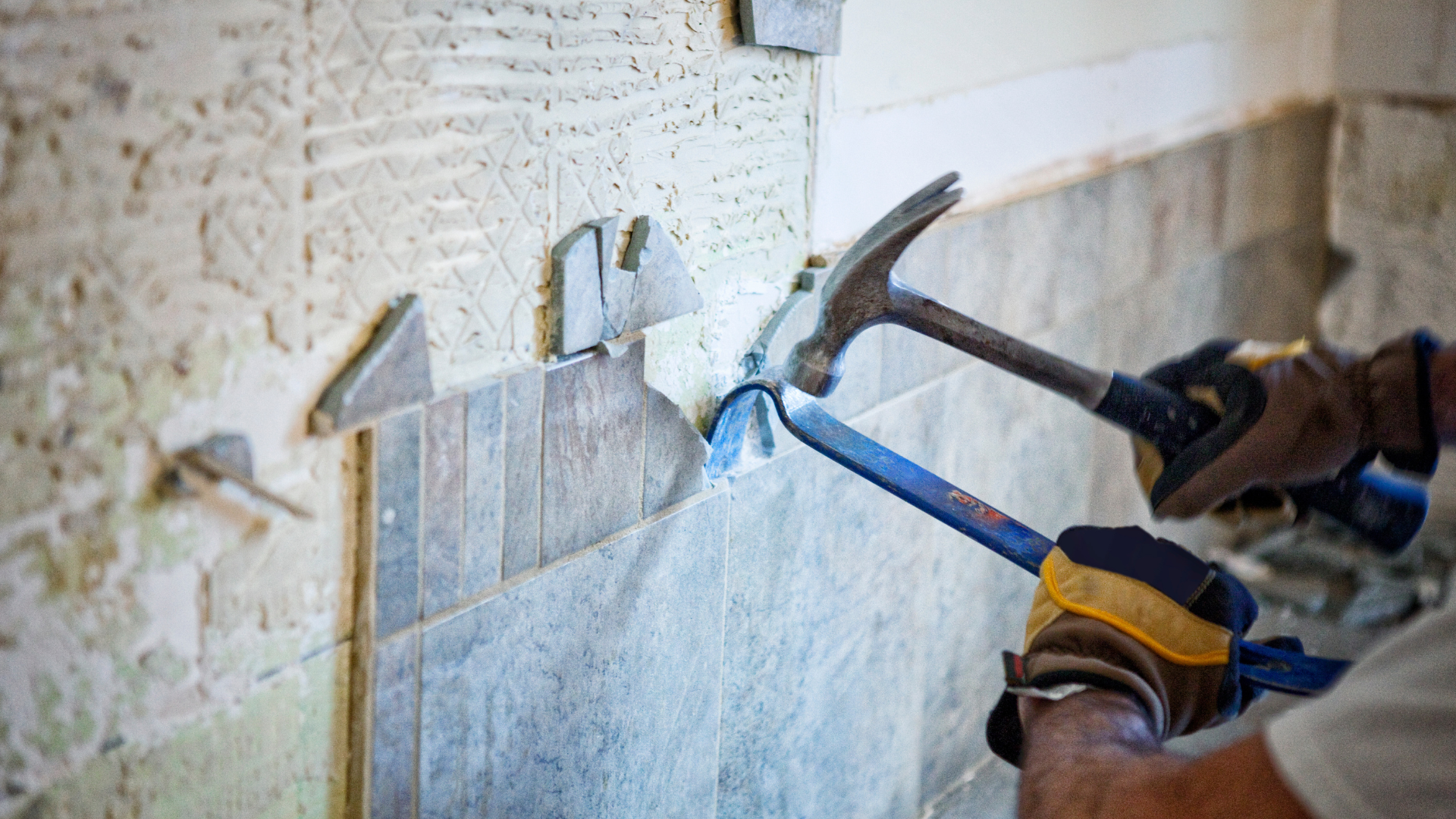
There is something deeply human about building walls. We do it instinctively, almost without thinking. We sort people into categories — insiders and outsiders, those who belong and those who do not. We organize ourselves by neighborhood, by preference, by history, by hurt. And over time, those walls stop feeling like walls at all. They just become the culture. They become the way things are. But what if the cross of Jesus Christ was not only about restoring your relationship with God? What if it was also about tearing down every wall you have ever built between yourself and another person? That is exactly what the Apostle Paul is driving at in Ephesians chapter 2, verses 11 through 22. And it is a passage that demands more than a casual reading. Remember Where You Came From Paul opens this section with a word that carries real weight: remember. He calls his readers to look back at what they once were before Christ entered the picture. The list he stacks up is sobering. Separated from Christ. Excluded from the covenant. Foreigners to the promise. Without hope. Without God in the world. This is not Paul shaming his audience. It is Paul grounding them. Because you cannot fully appreciate what you have been given until you honestly reckon with what you were without it. Every single one of us, before we came to faith, was on the outside looking in. We were not part of the family. We were not citizens. We had no claim on the promise. That is the baseline. That is where we all started. But Now Then Paul pivots with two of the most powerful words in all of Scripture. But now. In Ephesians 2:13, he writes that those who were once far off have been brought near by the blood of Christ. The distance that once defined us has been collapsed. Not by our effort, not by our merit, not by our religious performance, but by the blood of Jesus. And then Paul says something that ought to stop us in our tracks. He does not say that Jesus gives us peace as though peace were a product Christ distributes to individual consumers. He says that Jesus himself is our peace. There is a world of difference between those two statements. One treats peace as a benefit to be received. The other recognizes peace as a person to be known. This distinction matters enormously for how we understand the church. We live in a culture that has trained us to approach faith as consumers. We want the benefits of belonging to Christ without the inconvenience of belonging to one another. We want peace, joy, and healing, but we want them delivered privately, personally, and on our own terms. The problem is that this is not the design Paul is describing. The Wall That Was Torn Down In Ephesians 2:14, Paul says that Christ has destroyed the barrier, the dividing wall of hostility. In the ancient world, this carried a vivid and literal meaning. In the Jerusalem temple, there was an actual physical barrier separating the court of the Gentiles from the inner courts where Israel worshipped. Gentiles were not permitted beyond it. The wall was real, and what it communicated was unmistakable: you do not belong here. Christ demolished that wall. Not metaphorically. Not eventually. He demolished it through the cross, by setting aside the law with its commands and regulations, as Paul writes in verse 15, for the purpose of creating in himself one new humanity out of two. Read that again. One new humanity. Not two groups learning to tolerate each other. Not two communities agreeing to coexist politely. One new people, formed together in Christ, reconciled both to God and to one another through the same cross. This means that the same cross that deals with your sin before God also deals with the hostility between you and the person sitting across from you. You cannot separate those two realities. They are both accomplished by the same act. The House God Is Building By the time Paul reaches verses 19 through 22, the language shifts to architecture. You are no longer strangers and foreigners, he writes in verse 19. You are fellow citizens with God's people and members of his household. Built on the foundation of the apostles and prophets, with Christ Jesus himself as the cornerstone, the whole structure is joined together and rises to become a holy temple in the Lord. God is not building a collection of individual spiritual retreats. He is building a house. A dwelling place. A temple in which he himself lives by his Spirit. And you are part of it. Not a visitor. Not a guest with limited access. A member of the household. This reframes everything about what it means to follow Jesus. It means your faith is not a solo endeavor. It never was. The walls between you and other believers are not incidental inconveniences to be managed. They are structural problems that contradict the very thing Christ died to accomplish. What Walls Need to Come Down in Your Life The question Paul's words press us toward is both personal and uncomfortable. What walls have you built? Some are built on preference — they do not worship the way I do, they do not come from where I come from, they do not do things the way I would do them. Preference is not inherently sinful, but preference becomes dangerous when it becomes a boundary for belonging. Some walls are built on history. Something actually happened. Someone hurt you, betrayed you, or walked away. Those wounds are real, and wisdom sometimes requires a boundary. But there is a difference between a healthy boundary and a kingdom of bitterness. The gospel refuses to let what happened to you become your permanent identity. And underneath all of it is the question of identity itself. Paul's answer is clear. Your deepest identity is no longer defined by your background, your ethnicity, your politics, your denomination, or your wounds. Your deepest identity is that you are in Christ. Not near him. Not beside him. In him. When that becomes the foundation, the walls lose their authority. And what begins to rise in their place is something far greater than any wall you could ever build — the house that God himself is building, a dwelling place where there are no strangers, only family.Request prayer

September 21, 2026 • 2 Minute Read
No More Strangers
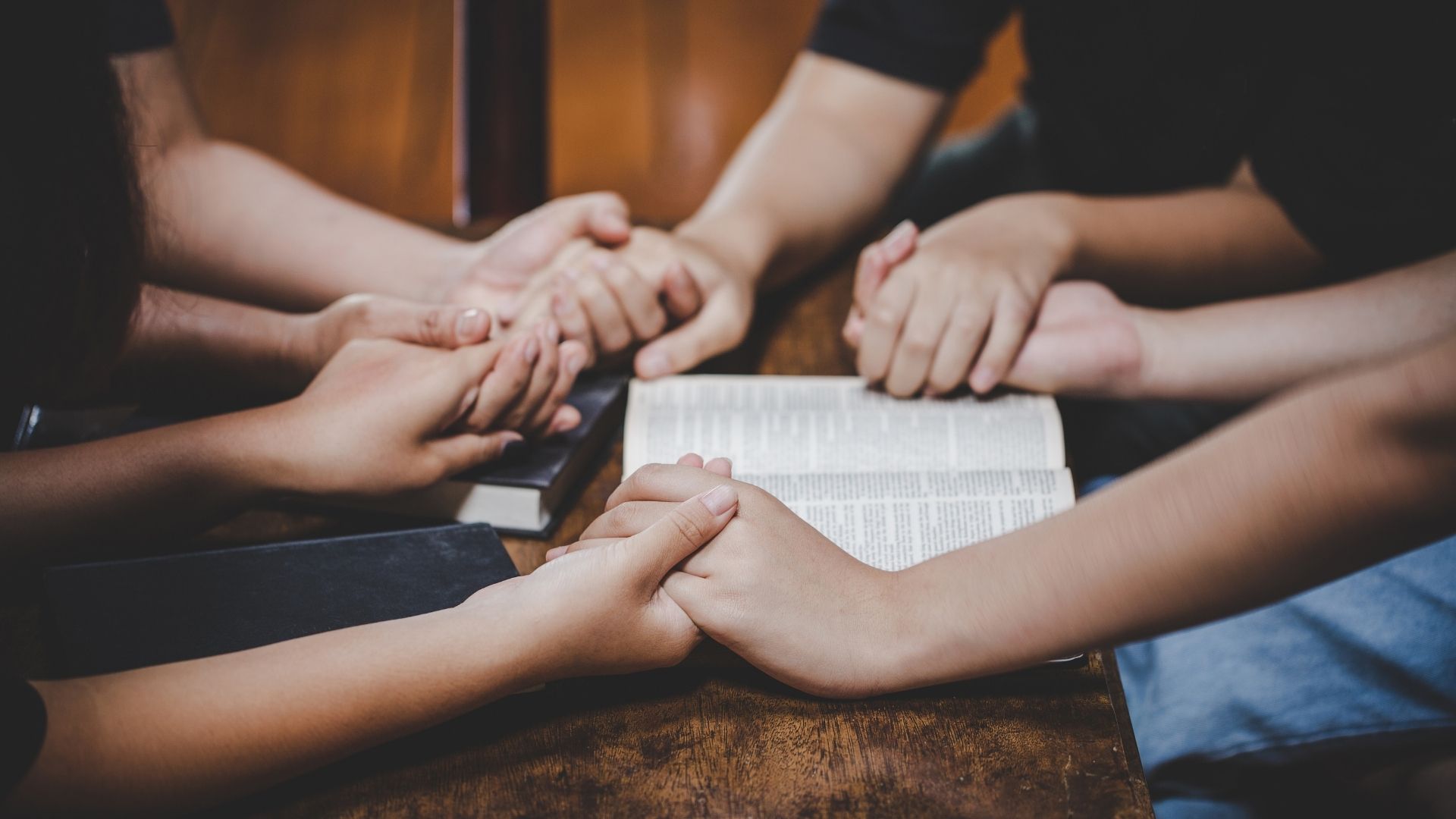
What an awesome Sunday we had continuing our series in Ephesians. If you were with us in person, we hope this recap stirs your heart again. If you missed it, I hope this summary will encourage and challenge you as you go about your week. Key Takeaways: Unchecked walls become culture. Whether rooted in preference, personal history, or pride — can quietly become the culture of a church if left unchallenged. We must regularly examine our hearts and ask what walls we have constructed that God never authorized, and be willing to let the Holy Spirit tear them down. The cross made us one family. The cross did not simply make enemies into better neighbors. It made them one family. Jesus Himself is our peace, not merely the one who delivers peace to us. That means true unity in the church is not manufactured through programs or personality, but through a shared and deepening surrender to Christ as Lord. Our identity in Christ outranks every label. Our deepest identity is no longer defined by background, wound, denomination, or preference. We are in Christ. That identity outranks every other label we carry, and when we truly live from that place, the walls lose their authority over us and over our community. As you go into this week, take a moment to reflect honestly on who you have mentally placed outside the house. Is there someone you have dismissed, avoided, or written off? The same cross that brought you near has brought them near as well. Let that truth move you toward someone this week. We are so grateful to do this together. You are not a visitor here. You are family. Pastor Tim Dye
September 21, 2026 • 7 Minute Read
Sept 21-25
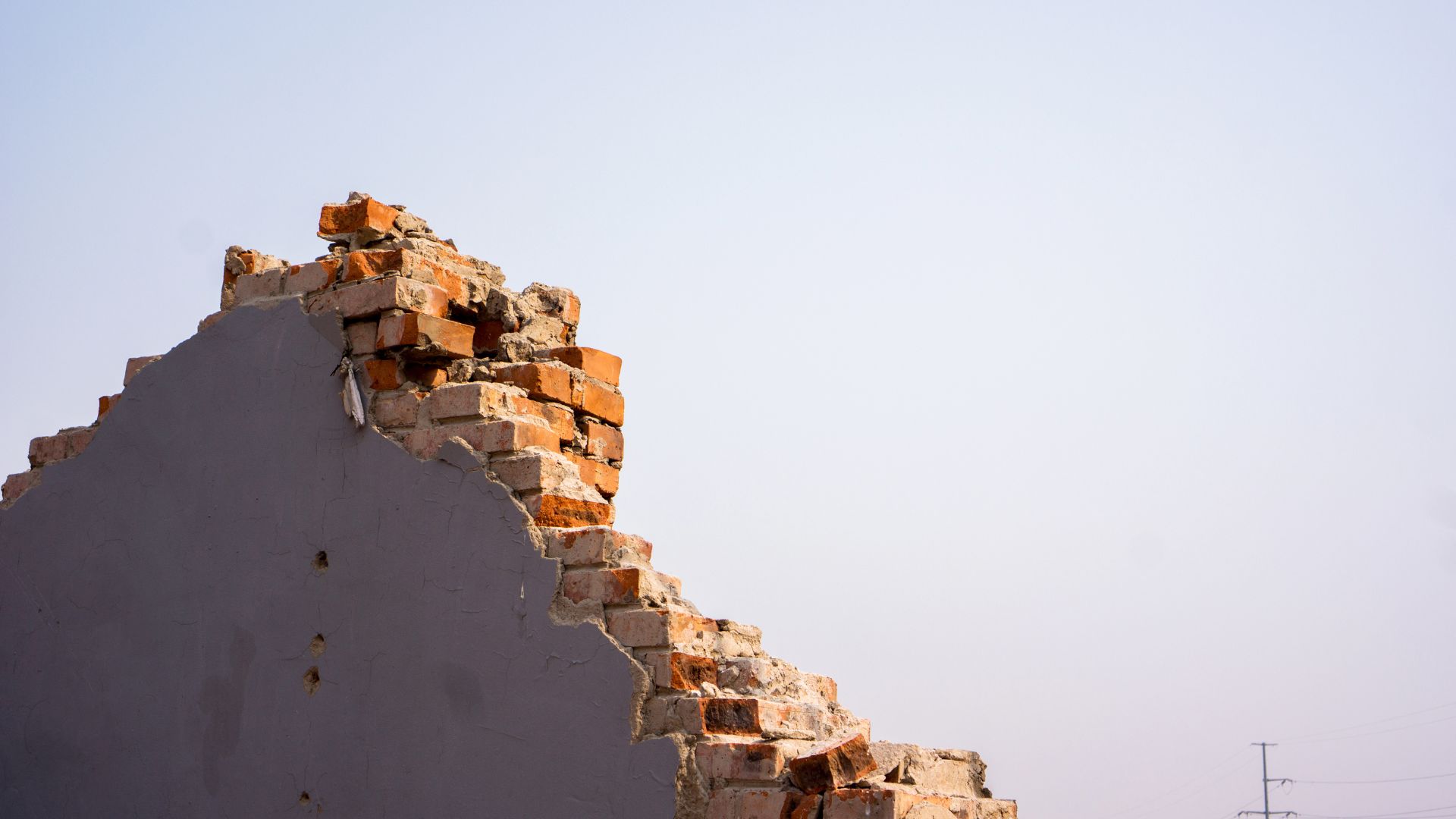
5-Day Bible Reading Plan and Devotional Guide – September 21 - 25 “The House God Builds: A 5-Day Devotional Through Ephesians 2:11-22” Day 1: Remember Where You Came From Reading: Ephesians 2:11-12 Devotional: Paul's instruction to "remember" is not an exercise in shame but in gratitude. Before Christ, the condition of every human soul was defined by separation, exclusion, and hopelessness. We were outside the covenant, outside the promise, outside the house entirely. Remembering this is not meant to discourage you but to anchor you in the reality of what grace has accomplished. When you forget where you came from, you begin to take for granted what was given to you at great cost. Let the memory of your former condition fuel a deeper worship and a wider welcome toward others who are still outside. Reflection Questions: What does your life look like before Christ when you examine it honestly? How does remembering your former condition change the way you treat those who do not yet believe? In what ways has gratitude for your salvation grown or faded over time? Practical Application: Write down three specific ways your life has changed since coming to faith in Christ. Keep this list somewhere visible this week as a daily reminder of what grace has done. Day 2: But Now — The Power of the Cross Reading: Ephesians 2:13-14; Romans 5:6-11 Paul describes in Romans 5 how Christ died for the ungodly and how through him we have now received reconciliation. Ephesians 2:13 declares that those who were once far off have been brought near through the blood of Christ. Devotional: Two of the most powerful words in all of Scripture are "but now." They mark the turning point between what was and what is. The cross did not simply improve our standing before God. It demolished the distance entirely. Christ did not negotiate peace from a distance. He became peace. He absorbed the hostility of sin, of division, of separation into his own body so that what was broken could be made whole. The same blood that reconciles you to God reconciles you to your brother and sister. You cannot receive one reconciliation and refuse the other. The cross is not partial in its work. Reflection Questions: Where in your life do you still live as though you are far off, even though Christ has brought you near? How does understanding that Christ is your peace, not merely the giver of peace, change how you pursue it? Are there relationships in your life where you have accepted reconciliation with God but resisted reconciliation with another person? Practical Application: Identify one relationship in your life that carries unresolved tension. Pray specifically over that relationship today, asking God to show you what step toward peace he is calling you to take. Day 3: One New Humanity Reading: Ephesians 2:15-16; Galatians 3:26-29 Galatians 3 describes how in Christ there is no distinction of background, status, or identity that supersedes the identity found in him. Ephesians 2:15 declares that Christ's purpose was to create in himself one new humanity out of two divided groups. Devotional: The church was never meant to be a collection of individuals who happen to share the same building on Sunday mornings. Christ's purpose, as Paul states it plainly, was to create one new humanity. Not two groups learning to tolerate each other. Not separate communities agreeing to coexist. One. The walls that divide us by race, class, age, history, preference, and personality were not merely inconvenient obstacles. They were expressions of a broken world. Christ did not patch those walls. He destroyed them. The church that is worthy of Christ is one that takes this seriously, not just as theology but as lived reality among its people. Reflection Questions: What categories do you use, even unconsciously, to divide people into insiders and outsiders? How does the identity of being "in Christ" challenge the other identities you hold most tightly? What would it look like practically for your church community to embody one new humanity this week? Practical Application: Intentionally spend time this week with someone in your church community who is different from you in background, age, or life experience. Approach the conversation with the goal of learning, not just socializing. Day 4: Fellow Citizens, Not Strangers Reading: Ephesians 2:17-19; 1 Peter 2:9-10 First Peter 2 describes believers as a chosen people, a royal priesthood, a holy nation — people who were once not a people but have now received mercy. Ephesians 2:19 declares that believers are no longer foreigners or strangers but fellow citizens and members of God's household. Devotional: There is a profound difference between being a visitor and being a member of a household. A visitor is welcomed temporarily. A member of the household belongs permanently. Paul's language here is deliberate. You are not a guest in God's kingdom. You are not on probation. You are not sitting in the back row waiting to see if you qualify. You have been given full citizenship. You have a seat at the table. The tragedy of the modern church is that many believers live as perpetual visitors, never committing deeply enough to experience the full weight of belonging. God's design is not a church of visitors. It is a household of family. Reflection Questions: Do you experience your church community as a household or more as a place you visit? What contributes to that? What does it mean to you personally that God calls you a member of his household rather than merely a recipient of his benefits? How might your engagement with your church community change if you fully embraced the identity of fellow citizen rather than outsider? Practical Application: Take one concrete step this week toward deeper belonging in your church community. This could mean joining a small group, introducing yourself to someone you have never spoken to, or volunteering in an area of Sunday service. Day 5: A Dwelling Place for God Reading: Ephesians 2:20-22; 1 Corinthians 3:16-17 First Corinthians 3 declares that believers together are God's temple and that his Spirit dwells among them. Ephesians 2:20-22 describes the church as a building joined together with Christ as the cornerstone, rising into a holy temple where God lives by his Spirit. Devotional: The final vision Paul gives is breathtaking. God is not simply building a religion or an institution. He is building a dwelling place. He is building a home for himself among his people. Christ is the cornerstone, the fixed reference point from which everything else is measured and aligned. When the cornerstone is honored, the whole structure holds together. When it is neglected, everything drifts. The church is not a building made of stone or steel. It is a living structure made of people who are being built together. This is not something you can experience alone. It requires you. It requires the person sitting beside you. It requires the one you have been tempted to write off. God is building something, and he is building it with all of you together. Reflection Questions: What does it mean to you that God's desire is to dwell among his people, not just within individuals? In what ways might you be resisting the process of being "built together" with others? How does keeping Christ as the cornerstone of your life practically affect the decisions you make and the relationships you invest in? Practical Application: Close this five-day reading plan by writing a personal prayer of commitment. Express to God your willingness to be part of what he is building, to tear down whatever walls remain in your heart, and to embrace the household of faith as your own family. "In him the whole building is joined together and rises to become a holy temple in the Lord." — Ephesians 2:21Share Your Prayer Request
September 21, 2026 • 2 Minute Read
Weekly Roundup
Welcome to the weekly roundup 👋 This is your one-stop spot for everything happening in our church. From kids to adults, small groups to special events, here's how you can get connected over the next seven days. Monday, September 21st No Activities Tuesday, September 22nd No Activities Wednesday, September 23rd Young Adult Bible Study - 6:00 PM in The Loft at Freedom Church. Thursday, September 24th Helping Hands Food Pantry - 8:30 - 11:30 AM in the Pantry at Freedom Church. Men’s Bible Study - 6:00 PM in The Loft at Freedom Church. Friday, September 25th Women’s Bible Study - 10:00 AM in The Loft at Freedom Church. Saturday, September 26th No Activities Sunday, September 27th Adult Small Group - Meeting at 8:30 AM before service in The Loft at Freedom Church. 10:30 AM Worship Gathering - Join us for Sunday service in person or online. Communion Sunday - We’ll remember Christ’s sacrifice and celebrate His grace together during our 10:30 AM Worship Gathering. Kids Church - Age-specific programming during our service for infants --> 5th grade. Upcoming Events New Member Lunch - Sunday, October 4th at 12:30 PM NEW First Wednesday - Wednesday, October 7th at 6:30 PM Church Yard-Sale - Saturday, October 10th at 7:00 AMNew here? We'd love to connect. Last Week's Message "Ephesians: The House That God Builds--Week Three"
| Pastor Tim Dye | Ephesians 2:11-22 The Gospel doesn't just bring us near to God. It changes how we belong to one another. In Ephesians 2:11–22, Pastor Tim looks at the walls that divide us, the cross that tore them down, and the family God is building with Jesus as the cornerstone. Watch the sermon here 👇Watch OnlineSubscribe To Our YouTube Channel Giving Your generosity makes our work in this city possible. We’re so grateful for you.Give Now Here Stay Connected 📩 Subscribe to this Collection to get these updates delivered directly to your inbox. 📸 Follow us on Instagram, & .Facebook, YouTube 💬 Pastoral care or questions? Connect with us here. Services: Sundays at 10:30 AM
2225 Airline Dr, Bossier City, 71111 Next Week: Communion Sunday
See you soon ☀️
September 16, 2026 • 6 Minute Read
Dead Men Made Alive
There is a particular kind of exhaustion that comes from trying to construct a version of yourself that God will finally be pleased with. You know the feeling. You attend more services, volunteer more hours, clean up your language, cut out the bad habits, compare your progress against the people around you, and still walk away with the quiet, nagging sense that it is not quite enough. That you are not quite enough. This is the treadmill of self-construction, and it is one of the most spiritually draining places a person can live. The second chapter of Ephesians tears that treadmill out of the floor entirely. The Raw Material God Actually Uses Paul opens Ephesians 2 not with a motivational charge or a list of qualifications. He opens with a funeral. He describes the human condition before Christ as one of spiritual death, a state in which people were not merely struggling or misguided or underperforming, but genuinely, completely dead. Dead in trespasses and sin. Shaped by the surrounding culture. Driven by personal desire and appetite. Subject to the judgment that such a condition rightfully invites. This is not Paul describing a bad week. This is Paul describing a condition. And the distinction matters enormously, because we live in a culture that is very good at diagnosing bad weeks. We have self-help frameworks and positive thinking strategies and motivational content designed to lift us out of our low moments. None of that is entirely without value. But none of it can resurrect a corpse. A corpse does not become alive by becoming a better corpse. The problem was never that humanity needed better behavior. The problem was that humanity needed life. This is where Paul's three-part description of the unredeemed condition lands with such weight. Dead to sin. Following the course of the world. Driven by the desires of the flesh and the mind. These are not three descriptions of bad habits. They are three ways of saying that without Christ, the human soul has no independent capacity to turn itself toward God. The direction of a life apart from Him runs consistently away from Him, shaped by forces that are not leading anywhere good. But God Two words in verse 4 change everything. But. God. These may be the most dramatic pivot in all of Scripture. Everything Paul has just described, the death, the disobedience, the deserved judgment, the utter helplessness of the human condition, gets interrupted by the character and initiative of God Himself. Not because humanity earned an interruption. Not because someone finally got their act together enough to deserve a second look. But because God is rich in mercy and moved by great love. Mercy, in this context, means God withholding the punishment that the condition actually deserved. And Paul does not merely say that God is merciful. He says God is rich in mercy. Abundantly, extravagantly, overwhelmingly merciful. This is not a God who reluctantly extends grace to people who have finally cleaned themselves up enough to qualify. This is a God who looked at dead people with profound compassion and moved toward them anyway. From that mercy and love, Paul describes three movements that God makes on behalf of those who were spiritually dead. He made them alive with Christ. He raised them up. And He seated them with Christ in the heavenly realms. Each movement builds on the last. First, life is given where there was none. Then, a completely new standing is established, one that is no longer defined by the old condition. Then, a position of spiritual security and rest is granted, the ancient image of sitting beside a king and sharing in his victory. This is not a moral upgrade. This is a resurrection. The Gift That Cannot Be Earned Ephesians 2:8-9 contains perhaps the most well-known statement in the entire letter. Salvation comes by grace through faith, not as a result of human effort or achievement, so that no one has grounds for boasting. Paul is closing a door firmly. The gift cannot be purchased, earned, or deserved. The moment someone tries to pay for it, they have misunderstood what it is. There is something quietly liberating about this, and also something that requires a genuine shift in thinking. So much of the religious impulse, even among sincere believers, runs toward proving worth. God saved me, so now I must demonstrate that I was worth saving. But that framing, however well-intentioned, corrupts the gift. It turns grace into a transaction. It places the burden back on human effort and reintroduces the exhaustion that grace was meant to end. The goal of the Christian life is not to pay God back. It cannot be. The gift does not work that way. A Poem, Not a Renovation Project Verse 10 introduces a word that reframes everything. The Greek word translated as workmanship or handiwork is the word from which we derive the English word poem. Believers are described as something God has crafted, composed, and inspired, not a building project that humanity is managing, but a work that God Himself is authoring. This distinction is significant. A renovation project starts with something existing and tries to improve it. A poem starts with intention, with something the author wants to express, and builds toward that from the beginning. God is not renovating people. He is writing something. And the story He writes begins not with impressiveness, but with death, and moves through grace toward life, purpose, and good works that He himself prepared in advance. Those good works are not the means of salvation. They are its outflow. They are the evidence that something real happened, that a life once pointed in one direction has been turned and is now moving differently, participating in what God is building rather than straining to construct something on its own. The Only Question That Matters All of this lands on a single, searching question. Are you alive? Not, are you doing enough? Not, are you better than you used to be? Not, are you better than the person next to you? Simply this: have you received the life that God offers through Christ? Because if you have, then your past does not define you, your failures do not trap you, and the circumstances pressing in around you this week are not the measure of your worth or your future. You were dead. But. God. That is the whole story. And it changes everything.Request prayer
September 14, 2026 • 2 Minute Read
Weekly Roundup
Welcome to the weekly roundup 👋 This is your one-stop spot for everything happening in our church. From kids to adults, small groups to special events, here's how you can get connected over the next seven days. Monday, September 14th No Activities Tuesday, September 15th No Activities Wednesday, September 16th Young Adult Bible Study - 6:00 PM in The Loft at Freedom Church. Thursday, September 17th Helping Hands Food Pantry - 8:30 - 11:30 AM in the Pantry at Freedom Church. Friday, September 18th Precept Bible Study - 10:00 AM in The Loft at Freedom Church. Saturday, September 19th No Activities Sunday, September 20th Adult Small Group - Meeting at 8:30 AM before service in The Loft at Freedom Church 10:30 AM Worship Gathering - Join us for Sunday service in person or online. Kids Church - Age-specific programming during our service for infants --> 5th grade. Upcoming Events New Member Lunch - Sunday, October 4th at 12:30 PM NEW First Wednesday - Wednesday, October 7th at 6:30 PM Church Yard-Sale - Saturday, October 10th at 7:00 AMNew here? We'd love to connect. This Week's Message "Ephesians: The House That God Builds--Week Two"
| Pastor Tim Dye | Ephesians 2:1-10 You don't have to build a better version of yourself to become worthy of God. In Ephesians 2, we discover the incredible difference two words can make—“But God.” See what happens when grace takes us from death to life and we surrender our lives to the Builder. Watch last week’s sermon 👇Watch OnlineSubscribe To Our YouTube Channel Giving Your generosity makes our work in this city possible. We’re so grateful for you.Give Now Here Stay Connected 📩 Subscribe to this Collection to get these updates delivered directly to your inbox. 📸 Follow us on Instagram, & .Facebook, YouTube 💬 Pastoral care or questions? Connect with us here. Services: Sundays at 10:30 AM
2225 Airline Dr, Bossier City, 71111 Next Week: Sunday Service
See you soon ☀️