There is something deeply human about building walls. We do it instinctively, almost without thinking. We sort people into categories — insiders and outsiders, those who belong and those who do not. We organize ourselves by neighborhood, by preference, by history, by hurt. And over time, those walls stop feeling like walls at all. They just become the culture. They become the way things are.
But what if the cross of Jesus Christ was not only about restoring your relationship with God? What if it was also about tearing down every wall you have ever built between yourself and another person?
That is exactly what the Apostle Paul is driving at in Ephesians chapter 2, verses 11 through 22. And it is a passage that demands more than a casual reading.
Remember Where You Came From
Paul opens this section with a word that carries real weight: remember. He calls his readers to look back at what they once were before Christ entered the picture. The list he stacks up is sobering. Separated from Christ. Excluded from the covenant. Foreigners to the promise. Without hope. Without God in the world.
This is not Paul shaming his audience. It is Paul grounding them. Because you cannot fully appreciate what you have been given until you honestly reckon with what you were without it. Every single one of us, before we came to faith, was on the outside looking in. We were not part of the family. We were not citizens. We had no claim on the promise.
That is the baseline. That is where we all started.
But Now
Then Paul pivots with two of the most powerful words in all of Scripture. But now. In Ephesians 2:13, he writes that those who were once far off have been brought near by the blood of Christ. The distance that once defined us has been collapsed. Not by our effort, not by our merit, not by our religious performance, but by the blood of Jesus.
And then Paul says something that ought to stop us in our tracks. He does not say that Jesus gives us peace as though peace were a product Christ distributes to individual consumers. He says that Jesus himself is our peace. There is a world of difference between those two statements. One treats peace as a benefit to be received. The other recognizes peace as a person to be known.
This distinction matters enormously for how we understand the church. We live in a culture that has trained us to approach faith as consumers. We want the benefits of belonging to Christ without the inconvenience of belonging to one another. We want peace, joy, and healing, but we want them delivered privately, personally, and on our own terms. The problem is that this is not the design Paul is describing.
The Wall That Was Torn Down
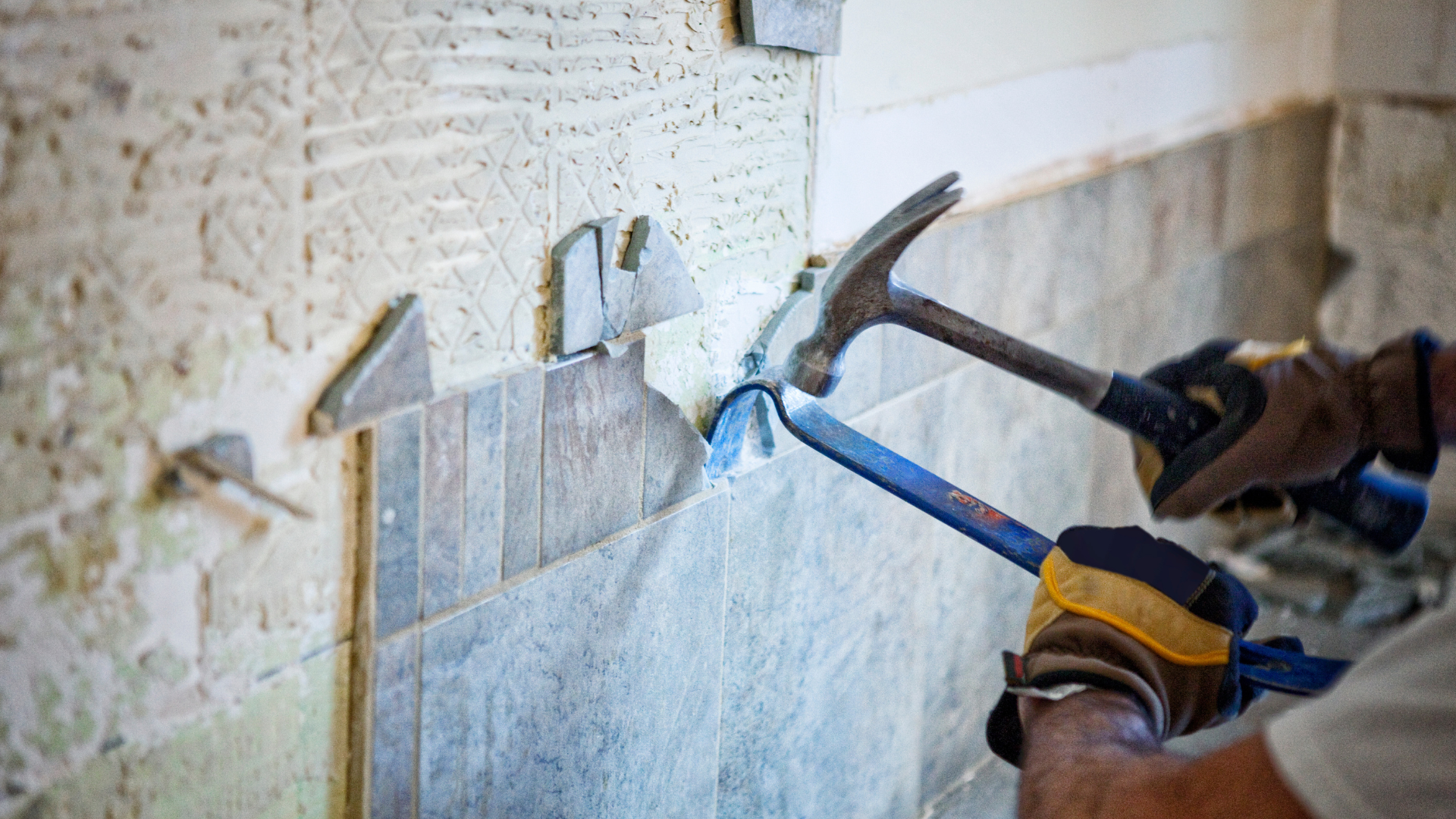
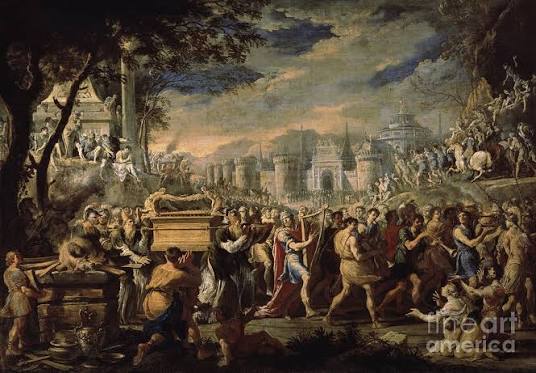
In Ephesians 2:14, Paul says that Christ has destroyed the barrier, the dividing wall of hostility. In the ancient world, this carried a vivid and literal meaning. In the Jerusalem temple, there was an actual physical barrier separating the court of the Gentiles from the inner courts where Israel worshipped. Gentiles were not permitted beyond it. The wall was real, and what it communicated was unmistakable: you do not belong here.
Christ demolished that wall. Not metaphorically. Not eventually. He demolished it through the cross, by setting aside the law with its commands and regulations, as Paul writes in verse 15, for the purpose of creating in himself one new humanity out of two.
Read that again. One new humanity. Not two groups learning to tolerate each other. Not two communities agreeing to coexist politely. One new people, formed together in Christ, reconciled both to God and to one another through the same cross.
This means that the same cross that deals with your sin before God also deals with the hostility between you and the person sitting across from you. You cannot separate those two realities. They are both accomplished by the same act.
The House God Is Building
By the time Paul reaches verses 19 through 22, the language shifts to architecture. You are no longer strangers and foreigners, he writes in verse 19. You are fellow citizens with God's people and members of his household. Built on the foundation of the apostles and prophets, with Christ Jesus himself as the cornerstone, the whole structure is joined together and rises to become a holy temple in the Lord.
God is not building a collection of individual spiritual retreats. He is building a house. A dwelling place. A temple in which he himself lives by his Spirit. And you are part of it. Not a visitor. Not a guest with limited access. A member of the household.
This reframes everything about what it means to follow Jesus. It means your faith is not a solo endeavor. It never was. The walls between you and other believers are not incidental inconveniences to be managed. They are structural problems that contradict the very thing Christ died to accomplish.
What Walls Need to Come Down in Your Life
The question Paul's words press us toward is both personal and uncomfortable. What walls have you built? Some are built on preference — they do not worship the way I do, they do not come from where I come from, they do not do things the way I would do them. Preference is not inherently sinful, but preference becomes dangerous when it becomes a boundary for belonging.
Some walls are built on history. Something actually happened. Someone hurt you, betrayed you, or walked away. Those wounds are real, and wisdom sometimes requires a boundary. But there is a difference between a healthy boundary and a kingdom of bitterness. The gospel refuses to let what happened to you become your permanent identity.
And underneath all of it is the question of identity itself. Paul's answer is clear. Your deepest identity is no longer defined by your background, your ethnicity, your politics, your denomination, or your wounds. Your deepest identity is that you are in Christ. Not near him. Not beside him. In him.
When that becomes the foundation, the walls lose their authority. And what begins to rise in their place is something far greater than any wall you could ever build — the house that God himself is building, a dwelling place where there are no strangers, only family.